

Capstone Game Farming Enterprise

Investor Login Area - A Deeper Look

Capstone Game Farming Enterprise

Eastern Cape, South Africa


Contact Details

Primary: Ellina Ndevu - 072 1043 091 - nomanesidev@gmail.com 
 

Investment Range Required


R10,000,000 for business expansion and infrastructure development

Type of Investment Required


Capital Expenditure
Infrastructure Funding
Working Capital

Expected Outcomes & Impact

Economic Impact

  • R10 million investment generating R58+ million cumulative revenue over 5 years
  • Creation of 50+ permanent employment opportunities by 2035
  • R15+ million annual contributions to the local economy at full capacity
  • Support for 200+ indirect jobs through supply chain activities

Social Impact 

  • 100% Black woman-owned enterprise demonstrating transformational leadership
  • Skills development and training for local community members
  • PWD accessibility promoting inclusive tourism
  • Cultural heritage preservation and promotion 

Environmental Impact

  • Sustainable management of 1,590 hectares supporting biodiversity
  • Wildlife conservation through professional game management
  • Habitat enhancement and ecosystem restoration
  • Educational programs promoting conservation awareness


Investment & Use of Funds

Total Investment Required: R10,000,000

Allocation:

Abattoir & Processing Facility (40%): R4,000,000 for game meat processing infrastructure

Accommodation Expansion (25%): R2,500,000 for lodge expansion and tourism facilities

Game Management Enhancement (15%): R1,500,000 for species development and security

Equipment & Vehicles (10%): R1,000,000 for operational equipment and hunting vehicles

Working Capital & Marketing (10%): R1,000,000 for operations and market development 

Leadership Team

Ellina Nomanesi Ndevu - CEO & Owner

  • A successful entrepreneur with 6+ years wildlife industry experience
  • 100% ownership demonstrating commitment and vision
  • Strong industry relationships and government partnerships
  • Proven track record in business development and operations

Nandipha Nomatyindyo - Business Manager 

  • Post-graduate qualification in Land and Agrarian Studies
  • Advanced management and business development certifications
  • 5+ years of experience in wildlife industry operations
  • Expertise in marketing, permits, and stakeholder relations

Brendan Moorcroft - Farm Manager

  • 17+ years of farming and wildlife management experience
  • Professional hunter certification with a dangerous game endorsement
  • Project management qualifications
  • Comprehensive operational and technical expertise 

Risk Assessment & Mitigation

Risk Mitigation Strategy
Climate & Drought Impact Multiple water sources, drought management protocols, and diversified species
International Market Volatility Domestic market development, diversified revenue streams, flexible pricing 
Regulatory Changes  Active industry participation, compliance systems, and legal advisory partnerships
Security & Poaching Advanced security systems, community partnerships, and professional security staf

Exit Strategy Options

Potential Exit Pathways (5-7 years):

Strategic Acquisition: Sale to an international hunting / tourism conglomerate

Private Equity Partnership: Partnership with a specialised tourism investment firm

Franchise Development: Licensing of the Capstone model to other operators

Public Listing: JSE listing as a premium wildlife tourism enterprise


Valuation Drivers

  • Strong financial performance and growth trajectory
  • Unique transformation positioning in the wildlife sector
  • Premium infrastructure and operational assets
  • Established international client relationships

Capstone Business Plan 2025 Document

Capstone Game Farming Enterprise

Submitted by admin on June 5, 2025

PROJECT NAME / SITE:

Capstone Game Farming Enterprise 

--------------------------------------------------------

Business Owner (s)

Ellina Nomanesi Ndevu (Director / Owner)

--------------------------------------------------------

Business Registration Number

2001/048909/23

--------------------------------------------------------

Business Address

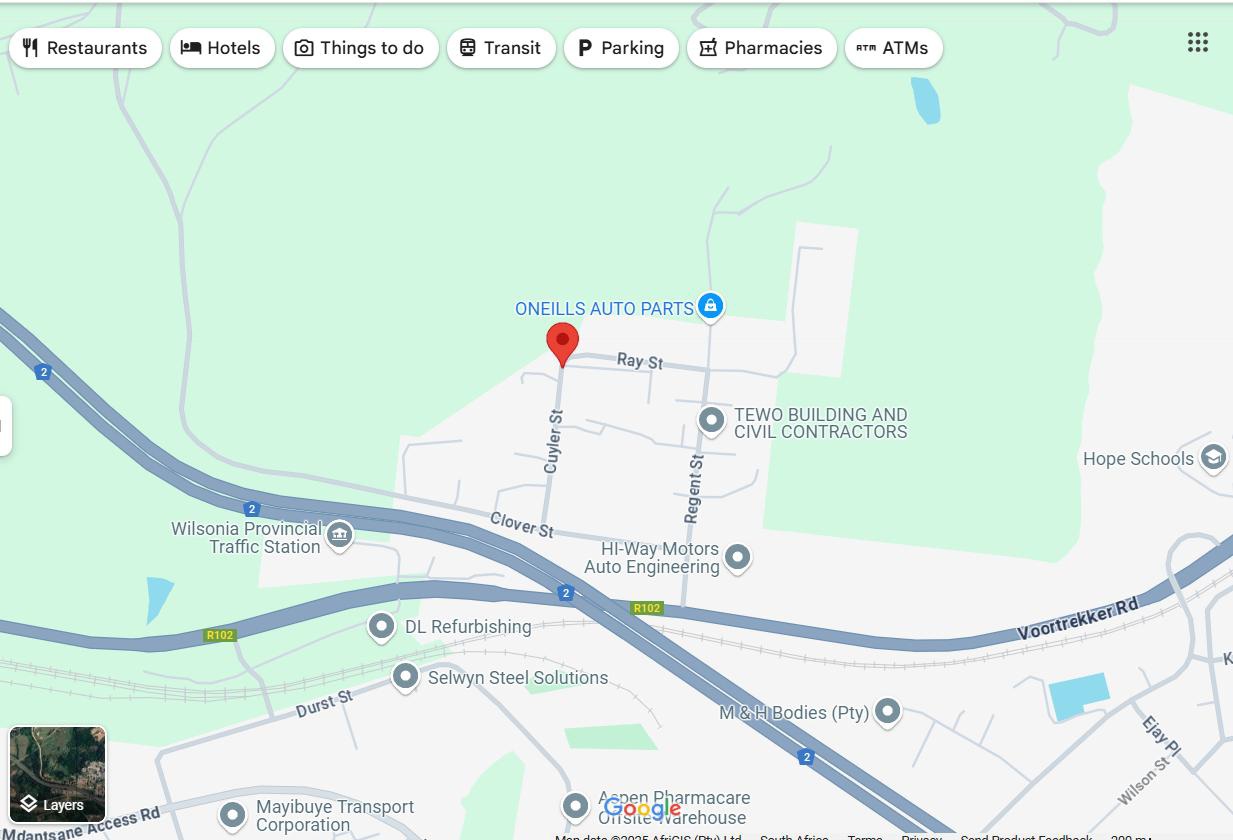
No. 3 Cuyler Street, Eureka, East London, 5247, Eastern Cape, South Africa

Business Established

2018 (Company registered 2001)

--------------------------------------------------------

Legal Structure

Close Corporation

--------------------------------------------------------

Current Investment Sought

R10,000,000 for business expansion and infrastructure development

--------------------------------------------------------

Current Valuation

R13.1 million (based on current assets and operational capacity)

Use of Funds

Abattoir development, accommodation expansion, game management enhancement, equipment acquisition, and working capital

--------------------------------------------------------

Expected ROI

6-8x over 5-7 years via international market expansion and value-added processing 

DESCRIPTION OF THE CAPSTONE GAME FARMING ENTERPRISE

Industry Overview & Market Context:

The South African wildlife economy represents one of the continent's most dynamic and rapidly expanding economic sectors, with trophy hunting alone contributing over US$341 million annually to the national economy whilst supporting more than 17,000 employment opportunities. This extraordinary growth trajectory reflects the industry's evolution from traditional farming practices to sophisticated, internationally integrated tourism and conservation enterprises that deliver exceptional economic, social, and environmental returns.

Research conducted by North-West University's Tourism Research in Economics, Environs and Society (TREES) unit demonstrates that the hunting industry contributes just over R15 billion to South Africa's economy annually when accounting for accommodation, transport, catering, processing, permits, fees, and trophy fees. The Eastern Cape has emerged as a premier destination within this sector, offering diverse ecosystems, malaria-free environments, established transport infrastructure, and favourable regulatory frameworks supporting sustainable wildlife utilisation.


Company Foundation & Leadership:

Capstone Game Farming Enterprise was formally established in 2018, building upon the solid foundation of Capstone 1248 CC, a company originally registered in 2001 under registration number 2001/048909/23. This strategic evolution reflects the leadership's commitment to developing a specialised, world-class wildlife enterprise that exemplifies excellence in both business performance and transformation leadership.

The enterprise operates under the visionary leadership of Ms Ellina Nomanesi Ndevu, whose entrepreneurial excellence and passionate commitment to wildlife economy development have positioned Capstone as a beacon of successful transformation within the traditionally male-dominated hunting industry. Ms Ndevu's leadership is complemented by an experienced management team, including Ms Nandipha Nomatyindyo as Business Manager, bringing extensive qualifications in Land and Agrarian Studies, Advanced Management, and Business Development, and Mr Brendan Moorcroft as Farm Manager, contributing 17 years of farming experience and professional hunting expertise with dangerous game endorsement.


Mission Statement:  

To operate a premier wildlife enterprise at full operational capacity, creating sustainable employment opportunities for 50 individuals by 2035 whilst delivering exceptional hunting and eco-tourism experiences that contribute meaningfully to biodiversity conservation, rural economic development, and South Africa's transformation agenda.


Vision Statement:

To establish Capstone as the Eastern Cape's leading Black woman-owned game farming enterprise, recognised internationally for excellence in sustainable wildlife management, exceptional client service delivery, and transformative community impact that demonstrates the extraordinary potential of historically disadvantaged individuals in South Africa's wildlife economy.


Strategic Location & Infrastructure:

Capstone's exceptional competitive positioning stems from its strategic location across 1,590 hectares of prime Eastern Cape wilderness, encompassing the combined Garland No. 181 and Kirby No. 174 farms near Stutterheim. This remarkable property portfolio offers several critical advantages, differentiating Capstone from competitors and enhancing its appeal to discerning international clientele.

The property's unique topographical diversity spans from dense, traditional African bushveld to expansive open plains, providing varied hunting experiences that accommodate different species, hunting preferences, and client requirements. This diversity enables Capstone to offer both traditional stalking experiences in challenging terrain and open-country hunting that appeals to clients preferring different hunting methodologies.

Accessibility represents another crucial competitive advantage, with the property benefiting from dual access via both the N2 and N6 national highway networks. This positioning places Capstone within convenient travelling distance of East London's international airport and harbour facilities, significantly enhancing accessibility for international clients whilst reducing logistical complexity and associated costs.


Comprehensive Service Portfolio

Capstone's sophisticated business model encompasses multiple complementary service offerings that create diverse revenue streams whilst enhancing client satisfaction and operational resilience:

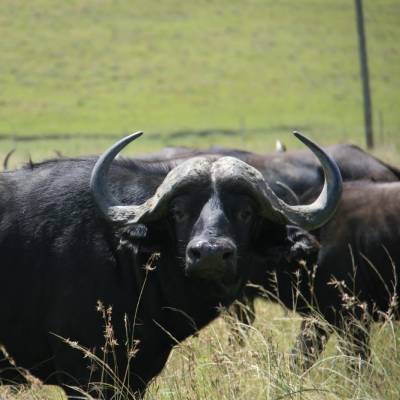
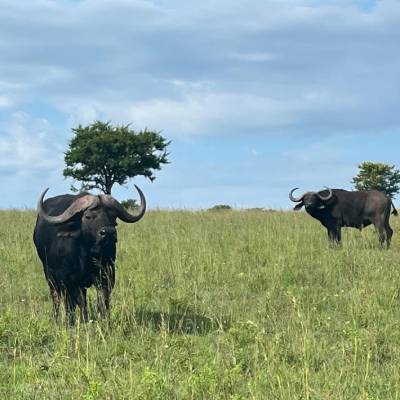
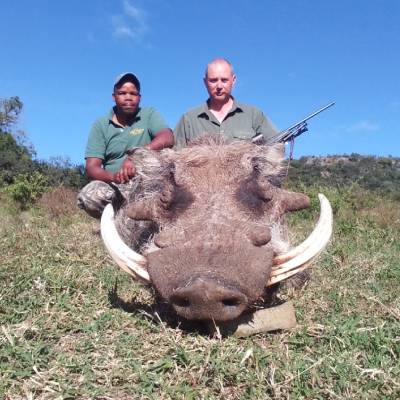
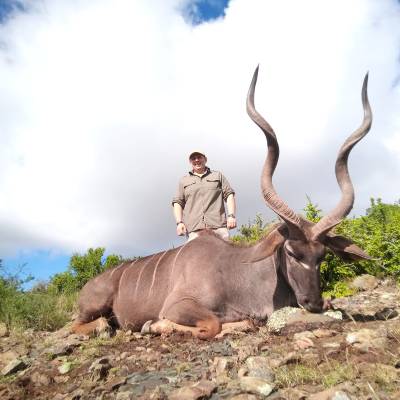
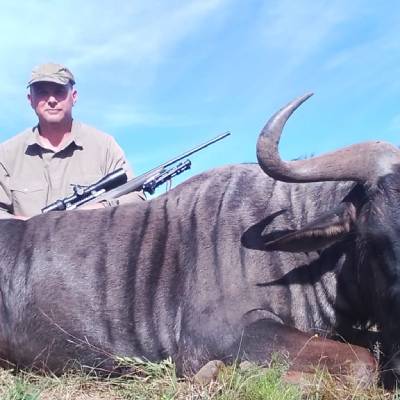
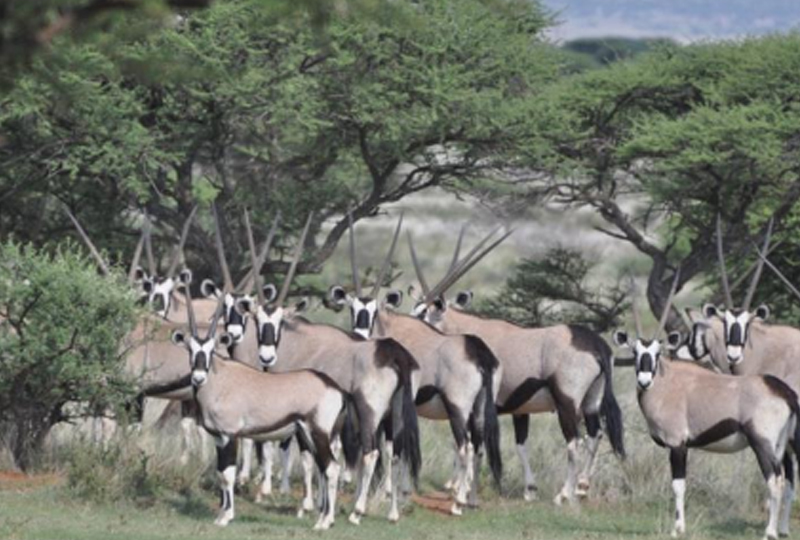
Premium Trophy Hunting Services: The enterprise specialises in providing world-class trophy hunting experiences featuring over 20 game species, including the prestigious Cape Buffalo. Professional hunting services include qualified professional hunters, experienced tracking teams, trophy preparation, and comprehensive logistical support, ensuring exceptional client experiences that consistently exceed international standards.

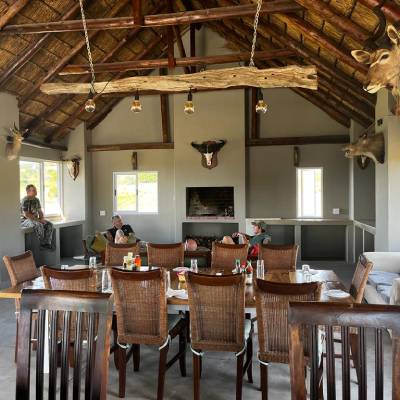
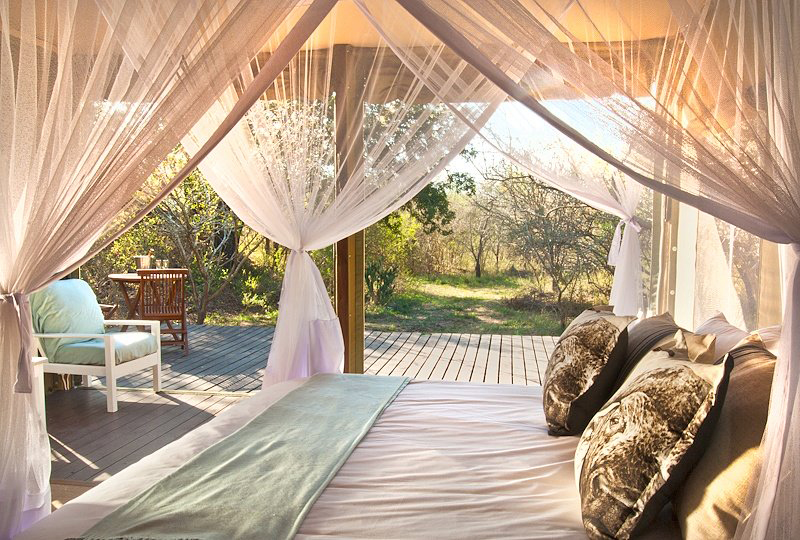
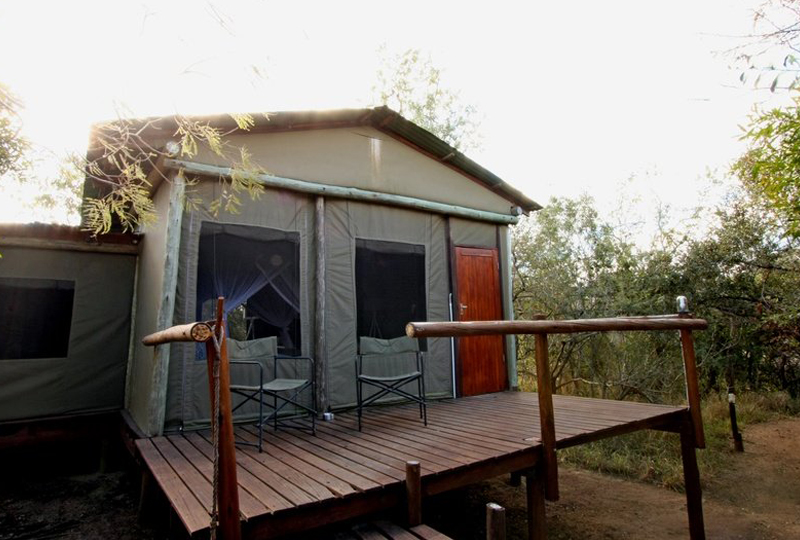
Luxury Accommodation Services: Capstone operates a comprehensive 24-bed luxury lodge facility featuring entertainment areas, a swimming pool, specialised amenities for guests with disabilities, and full catering services. The accommodation offering includes both group self-catering arrangements at R3,000 per night and full-service packages at R2,800 per person per night, catering to diverse client preferences and budgets. 

Game Meat Production & Processing: The enterprise operates sustainable game meat production partnerships with local abattoirs, selling premium game meat at R31 per kilogram. This revenue stream provides additional income whilst supporting local food systems and ensuring optimal utilisation of harvested game resources.

Traction

  • R801,091 quarterly revenue (Q1 2025)
  • 1,590-hectare prime hunting property with 20+ game species including Cape Buffalo
  • 80% client retention rate with established international clientele
  • 24-bed luxury accommodation facility with specialised PWD amenities
  • 16 permanent staff expanding to 160+ during peak seasons
  • 100% Black woman-owned enterprise with strong transformation credentials 

The Problem

  • Limited transformation in South Africa's wildlife economy sector
  • Lack of value-added processing in the game meat industry
  • Insufficient premium hunting destinations owned by historically disadvantaged individuals
  • High unemployment in rural Eastern Cape communities
  • Fragmented wildlife tourism offerings lacking comprehensive service integration

Our Solution Capstone addresses these challenges by offering:

  • Authentic, premium African hunting experiences led by an experienced Black woman entrepreneur
  • End-to-end wildlife tourism services from hunting to luxury accommodation
  • Value-added game meat processing creates additional revenue streams
  • Meaningful employment opportunities for local communities
  • Comprehensive wildlife management supporting conservation objectives

Our Products & Services

Capstone operates a diversified wildlife enterprise offering:

Primary Services:

International Trophy Hunting:  Premium hunting packages (R12,000-R220,000) featuring 20+ game species, including Cape Buffalo, targeting affluent international clients

Luxury Accommodation:  24-bed lodge facility with self-catering (R3,000/night) and full-service options (R2,800/person/night)

Game Meat Sales:  Current sales at R31/kg to local abattoirs with expansion planned for value-added processing


Planned Services (Post-Investment):

Premium Game Meat Processing:  Value-added products targeting retail and restaurant markets

Eco-Tourism Experiences:  Game viewing and cultural experiences for non-hunting tourists

Corporate & Conference Services:  Specialised venue for corporate events and team building

Educational Programs:  Wildlife conservation and cultural heritage experiences


Market Analysis

Target Segments

International Trophy Hunters (85% of revenue): Affluent clients aged 35-65 from the USA (40%), EU (45%), and UK (15%)

Domestic Recreational Hunters (15% of revenue): South African residents seeking biltong hunting and recreational experiences

Eco-Tourism Market (Growth opportunity): International and domestic tourists seeking authentic African experiences

Corporate Clients: Companies requiring unique venues for events and team building

Market Size & Growth

  • The South African hunting industry contributes US$341 million annually, supporting 17,000+ jobs
  • Eastern Cape is positioned as the premier malaria-free hunting destination
  • Wildlife ranching auction values grew from R93 million (2005) to R1.8 billion (2014)
  • Trophy hunting contributes R15 billion annually to the South African economy

Competitive Edge

Competitor Type Limitation Capstone Advantage
Traditional Operators Limited transformation credentials, basic facilities 100% Black woman-owned, luxury amenities, PWD accessibility
Local Competitors  Smaller scale, limited services Comprehensive service offering, international marketing, and prime location
International Brands High costs, impersonal service Authentic cultural experience, competitive pricing, personalised service 

Business Mode

Revenue Streams

Trophy Hunting Operations (60%): International and domestic hunting packages with an average value of R65,000 per international client

Accommodation Services (25%): Lodge operations serving hunting clients and eco-tourists

Game Meat Processing (10%): Value-added meat products for retail and commercial markets

Eco-Tourism & Corporate Services (5%): Diversified tourism offerings for broader market appeal


Unit Economics

International Hunting Package: Average R65,000 with 55% gross margin

Accommodation (per night): R2,900 average rate with 60% gross margin

Processed Game Meat: R180/kg (vs. R31/kg unprocessed) with 70% gross margin

Customer Retention Rate: 80%, demonstrating exceptional service quality 


Operational History & Traction 

Year Revenue Key Highlights 
2022 R4,357K assets Foundation establishment, initial operations
2023 R3,729K income International client base development
2024 R2,889K income Infrastructure improvements, service enhancement
2025 Q1 R801K revenue Strong seasonal performance, operational optimisation 


Operational Strengths:

Strategic Location: 1,590 hectares with dual highway access (N2/N6)

Diverse Infrastructure: 24-bed lodge, entertainment areas, specialised facilities

Experienced Team: Professional hunters, experienced management, skilled staff

Conservation Compliance: Full regulatory compliance with environmental authorities  

Biodiversity and Conservation Priorities

Capstone's operations actively contribute to biodiversity conservation through:

Sustainable Wildlife Management  

  • Scientific population monitoring and sustainable harvest quotas
  • Breeding programmes enhancing genetic diversity
  • Habitat management supporting 20+ Indigenous species
  • Professional veterinary partnerships ensuring animal health

Ecosystem Enhancement 

  • Habitat restoration across 1,590 hectares
  • Water point development supporting wildlife populations
  • Vegetation management promoting ecological diversity
  • Anti-poaching security protecting valuable wildlife assets

Conservation Partnerships

  • Collaboration with DFFE, ECPTA, SANParks, and SANBI
  • Participation in wildlife conservation programs
  • Educational initiatives promoting conservation awareness
  • Research partnerships supporting conservation science

Expansion Strategy

Phase 1 (Year 1-2): Infrastructure Development

  • Construct a dedicated game meat processing facility
  • Expand accommodation capacity from 24 to 36 beds
  • Enhance anti-poaching security systems
  • Develop eco-tourism infrastructure 

Phase 2 (Year 2-3): Market Expansion

  • Launch premium game meat product lines
  • Develop corporate and conference services
  • Expand international marketing efforts
  • Establish distribution partnerships

Phase 3 (Year 3-5): Market Leadership

  • Achieve R15+ million annual revenue
  • Establish a regional market leadership position
  • Develop additional properties or partnerships
  • Create employment for 50+ permanent staff

Financial Projections (2025-2028)

Metric  2025 2026 2027 2028
Revenue R3,200,000 R8,000,000 R11,300,000 R14,600,000
Gross Margin 53.0% 58.4% 60.3% 61.2%
EBITDA R28,000 R1,170,000 R2,065,000 R2,850,000
Net Profit (R92,000)  R482,400 R1,076,400 R1,605,600
Employees 16 30 40 50+

GREATER BALEPYE NATURE RESERVE (PTY) LTD

Investor Login Area - A Deeper Look

GREATER BALEPYE NATURE RESERVE (PTY) LTD

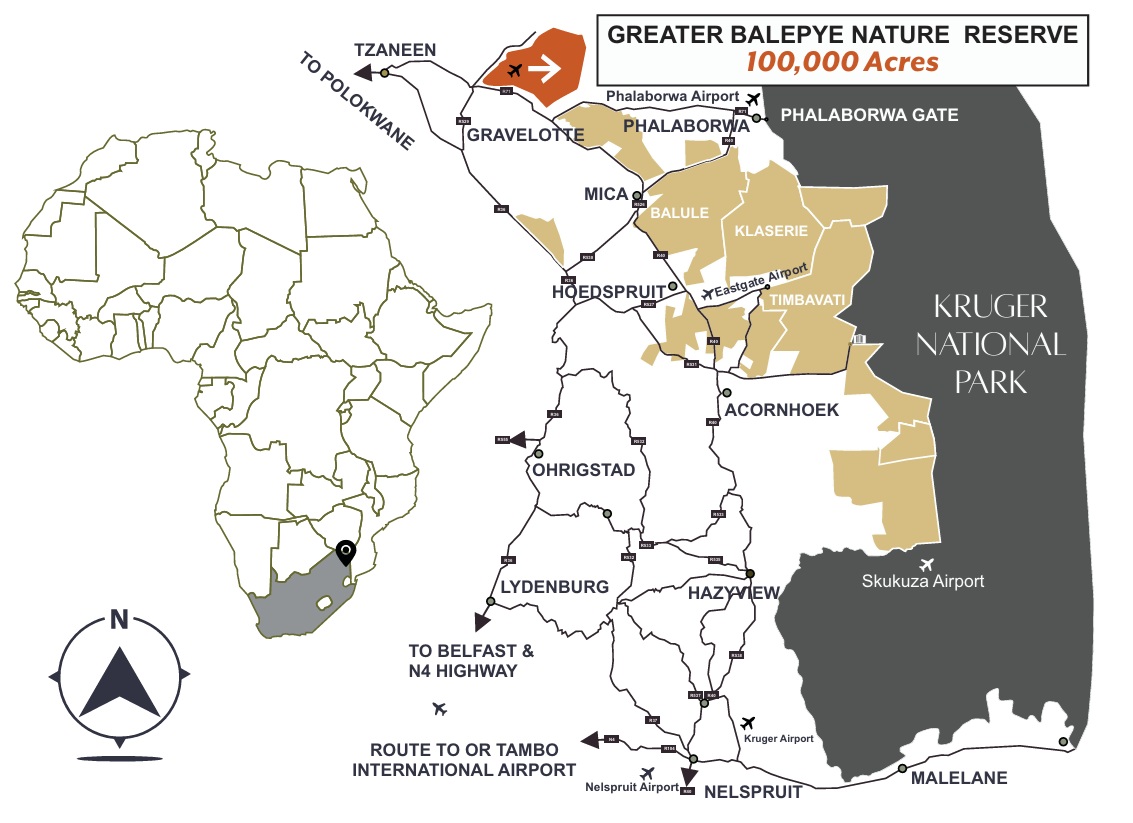
Mopani District, Limpopo, South Africa


Contact Details

Greater Balepye Nature Reserve | 083 263 5451 | gbnr2012@gmail.com
 

Investment Range Required


R5 Million - R20 Million

Type of Investment Required


Capital Expenditure
Infrastructure Funding
Working Capital

PROJECT REVENUE GENERATION

The project currently generates revenue primarily through hunting operations, which account for approximately 85% of income. However, the business model is being diversified to incorporate additional revenue streams, including:

  • Commercial hunting and associated services
  • Accommodation for hunters and tourists (the reserve already offers accommodation as part of hunting packages)
  • Limited ecotourism activities with growth potential
  • Game sales and population management
  • Anti-poaching services


Full financial projections are provided in the detailed business plan, demonstrating the current revenue generation and forecast growth as additional activities are developed and infrastructure is enhanced. The business aims to transition from heavily relying on hunting towards a more diversified model that includes ecotourism and ecosystem services.

TO YOUNG PEOPLE AND WOMEN

The project provides substantial support to communities with particular emphasis on opportunities for young people and women:


Direct employment:

The project creates employment opportunities specifically targeted at women and youth from the Balepye community, providing sustainable livelihoods in an area with limited economic options.


Skills development:

The Balepye Academy will provide wildlife management and tourism training designed to create career pathways for young people and women from the community. The academy will deliver comprehensive training in theory, practical skills, and development programmes. 


Food security:

The project contributes to community welfare through monthly meat donations and Maise Meals to crèches in the Greater Tzaneen and Greater Ba-Phalaborwa areas, benefiting vulnerable children. 


Educational support:

The community provides maintenance services at the Gravelotte School, enhancing educational infrastructure for local children.


Women in leadership:

The governance structure includes specific provisions for women's representation in decision-making, ensuring gender-inclusive benefit sharing. 


Youth engagement:

Conservation awareness programmes targeted at young people build environmental consciousness and create pathways to careers in the wildlife economy. 


Employment targets:

The project plans to employ 2 farm managers and 2 assistant farm managers from the community (funded by the CPA) and 3 lodge managers with support staff (funded by investors), creating meaningful career opportunities for community members.


PROMOTION OF SMMES

The project has plans to actively promote small, medium and micro enterprises (SMMEs) through various mechanisms, though this aspect is still in development:


Future enterprise development plans:

The business plans to build timeshare accommodations and other facilities to create construction and maintenance opportunities for local SMMEs.


Supply chain integration:

The reserve intends to prioritise procurement from community-based enterprises for construction, maintenance, catering, and transportation as development progresses.


Enterprise development:

The business plan includes support for community members to establish ancillary businesses such as craft production, guiding services, and cultural experiences that complement the reserve's tourism offerings.


Skills transfer:

The Balepye Academy will provide training that enables community members to establish their own wildlife-related enterprises, creating a supportive ecosystem for entrepreneurial development.


Market access:

The reserve's tourism activities will create market opportunities for local producers of goods and services, reducing barriers to entry for community-based enterprises.


Value chain participation:

Developing meat processing facilities, taxidermy, and tannery operations will create opportunities for local enterprises to participate in the wildlife product value chain.


Community involvement is primarily through employment rather than SMME development, but the business plan includes specific initiatives to foster local enterprise growth as operations expand. 

PROJECT FUNDING OPTIONS

  • Grant
  • Reimbursable grant
  • Guarantees
  • Equity
  • Subordinated loan
  • Senior Loan
  • Other: LEASE FINANCE

INVESTMENT CASE

ORGANISATION & GOVERNANCE: PLEASE OUTLINE YOUR GOVERNANCE STRUCTURE

The governance structure focuses on supporting the capacity and effective governance of the Balepye Community that owns and manages the conservation land and other restituted properties:


Community Property Association:

The Balepye Community Property Association (CPA 10/1265/A) serves as the primary community representative entity, holding community land rights and participating in land use and benefit distribution decision-making.


Operating Company:

Greater Balepye Nature Reserve (Pty) Ltd (Reg: 2015/240323/07) is the operating entity that manages the reserve's day-to-day operations and implements the business plan.


Ownership Structure:

The community currently holds a 35% ownership stake with a pathway to increase to 50% once loan accounts are repaid. Strategic partners hold the remaining 65% to provide operational control, financial resources, and technical expertise. This arrangement ensures both community benefit and operational excellence.


Management Structure:

  • A board of directors comprising community representatives and strategic partners provides strategic oversight
  • A professional management team with conservation and business expertise handles operational execution
  • An advisory committee with technical experts offers scientific and business guidance


Decision-making Processes:

  • Clear policies and procedures guide financial management, operational decisions, and benefit distribution
  • Transparent reporting mechanisms ensure accountability to all stakeholders
  • Regular community consultations maintain alignment with community expectations and priorities

This governance structure ensures effective operational management and meaningful community participation in decision-making and benefit-sharing while providing a sustainable community-based conservation model.

CAN THE PROJECT BE SCALED

Scalability Dimensions:

  • Geographic expansion: The plan to grow from 11,000 to 30,000 hectares demonstrates the model's scalability within the immediate landscape.
  • Operational diversification: The business model allows for incremental revenue streams (hunting, ecotourism, meat processing, etc.) as capacity and market demand develop.
  • Community participation: The governance model can accommodate increasing community ownership and participation as skills develop and capacity grows.


Replication Potential:

  • Community conservation model: The approach provides a template for other community-owned conservation areas seeking to develop sustainable wildlife economies. 
  • Skills transfer: The Balepye Academy can serve as a regional training centre, extending the model's influence beyond the immediate project area.
  • Integration with government programmes: The project's alignment with national biodiversity targets and local development goals creates pathways for policy support and replication through government programmes.


Value Chain Expansion:

The integrated business model, incorporating multiple elements of the wildlife economy value chain (from primary production to processing and tourism), creates opportunities to replicate specific components in other locations based on local conditions and market opportunities.

The project serves as a valuable model for transformation in the wildlife economy sector, demonstrating how previously marginalised communities can successfully participate in and benefit from conservation-based enterprises. 

ENVIRONMENTAL IMPACT

The project will significantly improve existing environmental conditions through:


Habitat protection and restoration:

Expanding and formally protecting up to 30,000 hectares of natural habitat will safeguard biodiversity and ecosystem services in a region under developmental pressure.


Wildlife conservation:

Enhanced anti-poaching efforts will reduce illegal wildlife harvesting, allowing populations to recover and maintain ecological functions. The reserve has historically focused on rhino conservation as a flagship initiative.


Sustainable resource management:

Scientific approaches to vegetation management, including controlled bush clearing, will improve habitat quality whilst providing sustainable resources for community use. The project aims to reduce unsustainable wood harvesting for fuel through alternative livelihood options.


Ecological connectivity:

The reserve's location and planned expansion enhance landscape-level conservation by creating wildlife corridors between protected areas, particularly Kruger National Park and Hans Merensky Nature Reserve.


Water resource protection:

Conservation management will enhance watershed protection, improving water security for wildlife and surrounding communities.


Climate change mitigation:

Maintained natural vegetation provides carbon sequestration services, whilst sustainable management practices enhance ecosystem resilience to climate impacts.


Reduced habitat degradation:

Providing alternative livelihoods reduces pressure on natural resources, minimising destructive activities such as unregulated timber harvesting and charcoal production.  


Scientific conservation management:

Implementing evidence-based conservation practices informed by the Mopani District Bioregional Plan ensures optimal ecological outcomes aligned with provincial biodiversity targets.


Management of elephants:

The reserve currently has elephants but plans to reduce numbers due to their significant ecological impact on vegetation. This represents a scientifically based approach to maintaining ecosystem balance.  

SOCIAL IMPACT

The project will substantially improve the livelihoods of local communities and marginalised people through:


Land rights and resource access:

The community already has secure tenure through land restitution, enabling them to benefit directly from hunting, ecotourism, and other sustainable land uses.


Economic diversification:

The project creates alternative livelihoods in an area heavily dependent on mining, which is particularly important given that the anticipated medium-term mine closure impacts Phalaborwa's economy.


Direct employment:

Creating conservation jobs, including anti-poaching units, wildlife management, hospitality services, and meat processing, provide sustainable employment in a region with limited opportunities. The project has a target of employing 100 people when it is fully operational.


Skills development:

Training programmes through the Balepye Academy create pathways to higher value employment within the wildlife economy and conservation sector. This addresses the current skills gap identified within the community.


Cultural heritage preservation:

The project reconnects community members with their ancestral lands and traditional knowledge, strengthening cultural identity and intergenerational knowledge transfer.


Environmental justice:

Transforming ownership patterns in the wildlife economy addresses historical inequalities in conservation benefits, creating more equitable outcomes. This directly addresses the structural inequality that has historically limited community conservation benefits.


Community infrastructure:

Support for local schools and community facilities improves the quality of life and creates enabling conditions for human development, as evidenced by maintenance support for the Gravelotte School.


Reduced vulnerability:

Sustainable livelihoods reduce community vulnerability to recruitment by wildlife crime networks, enhancing conservation outcomes and community security. This directly addresses the challenge of poaching and bushmeat trade in the area.


Food security:

Regular meat and maise meal provision to crèches in the Greater Tzaneen and Greater Ba-Phalaborwa areas contributes to nutritional security for vulnerable children.

SUSTAINABILITY

The project demonstrates strong sustainability characteristics that will enable it to thrive post investment:


Diversified revenue model:

While currently dependent on hunting (85% of revenue), the business plan includes the development of multiple revenue streams, including ecotourism, meat processing, and wildlife sales, that reduce vulnerability to market fluctuations in any single sector. 


Community ownership:

The community's significant equity stake (35% currently, growing to 50%) ensures long-term commitment to the enterprise's success and alignment with community interests. 


Market demand:

Growing domestic and international interest in authentic community-based conservation and tourism experiences provides a sustainable market for the reserve's offerings. 


Skills development:

The Balepye Academy creates a pipeline of skilled community members able to assume increasingly sophisticated roles in reserve management and operations.


Ecosystem sustainability:

Scientific wildlife and habitat management ensure that the natural resource base underpinning the business model remains productive and resilient. 


Strategic partnerships:

Relationships with conservation authorities, tourism operators, and other stakeholders provide ongoing technical and market support.


Phased development approach:

The incremental development plan allows learning and adaptation, building on successful elements and adjusting strategies as needed.


Reinvestment mechanism:

The business model includes provisions for reinvesting a portion of profits into conservation activities and community development, creating a virtuous improvement cycle.


Alternative revenue exploration:

The business remains open to innovative funding mechanisms, including carbon credits, though it is not reliant on these more volatile sources for core operational viability.

VIABILITY OF THE BUSINESS MODEL

The business model demonstrates sound financial viability based on several key factors:


Proven revenue generation:

The reserve generates income through hunting operations, demonstrating market validation and operational capability.


Multiple revenue streams:

The diversified business model includes complementary activities (hunting, ecotourism, meat processing) that create operational synergies and reduce market risk.


Value-addition opportunities:

Development of processing facilities (abattoir, taxidermy, tannery) allows the capture of additional value from wildlife products, increasing margins and profitability.


Strategic location:

Proximity to Kruger National Park creates tourism potential that remains largely untapped, offering significant growth opportunities.


Asset appreciation:

Investment in infrastructure and wildlife populations creates appreciating assets that enhance the operation's overall value over time.


Operational efficiencies:

The integrated business model creates economies of scale and operational synergies that improve cost-effectiveness as the enterprise grows.


Market differentiation:

The authentic community ownership and conservation impact create distinctive selling propositions in hunting and ecotourism markets, supporting premium pricing.


Growth potential:

While operating below capacity, the business has demonstrated the ability to generate revenue even with limited infrastructure. The projected returns with proper investment show strong potential for profitability and sustainability.


Professional financial analysis:

Financial projections developed with expert support indicate positive cash flow potential and attractive returns on investment as infrastructure is developed and operations are diversified. 

Document
GREATER BALEPYE NATURE RESERVE (PTY) LTD

Submitted by admin on June 5, 2025

PROJECT NAME / SITE:

GREATER BALEPYE NATURE RESERVE (PTY) LTD

--------------------------------------------------------

Business Owner(s) : 

Balepye Community Property Association (CPA) and Strategic Partners Consortium

--------------------------------------------------------

Business Registration number:

2015/240323/07

--------------------------------------------------------

When was your business established?

2015

--------------------------------------------------------

Business Address:

Gravelotte, Ba-Phalaborwa Municipality, Mopani District, Limpopo, South Africa.

--------------------------------------------------------

Business & Social Media Links:

Website: [Under development]

PROJECT PARTNERS:

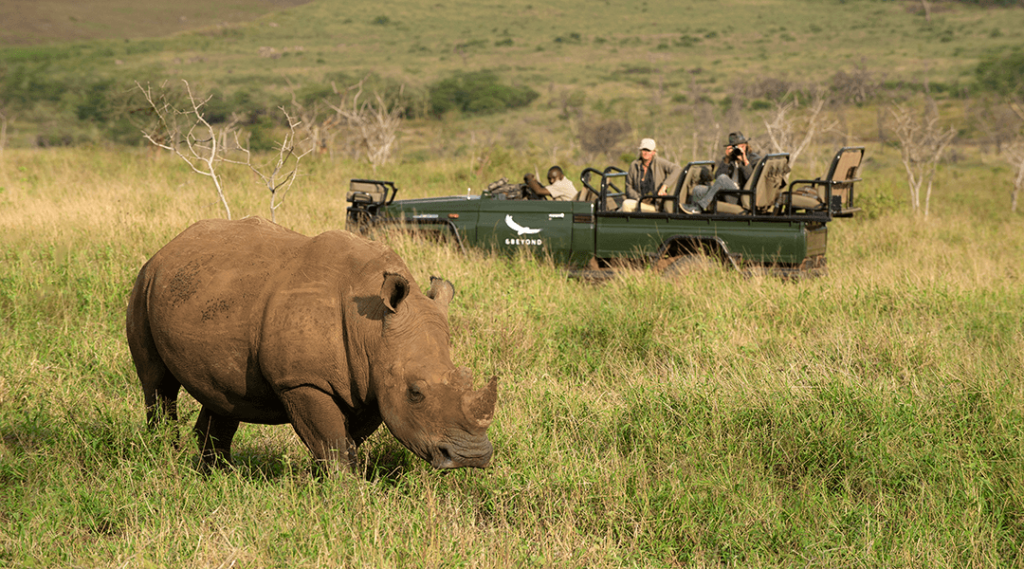
The Greater Balepye Nature Reserve represents a significant biodiversity conservation and community development initiative in South Africa's Limpopo Province. Currently comprising approximately 11,000 hectares with a vision to expand to 30,000 hectares, the reserve integrates wildlife conservation with sustainable economic activities to benefit the Balepye community.

The reserve operates through a partnership structure where the community currently holds 35% ownership (with the potential to increase to 50% once loan accounts are repaid), whilst strategic partners hold the remaining 65% to provide operational oversight and investment capital. This structure ensures both community benefit and operational sustainability.

--------------------------------------------------------

Investment Range / ROI

R500 000 - R5 Million
ROI - 35% pa

Public or Private Sector

This is a Private Sector Opportunity

Environment

The project will significantly improve existing environmental conditions through:

  • Habitat protection and restoration
  • Wildlife conservation
  • Sustainable resource management
  • Ecological connectivity
  • Water resource protection
  • Climate change mitigation
  • Reduced habitat degradation
  • Scientific conservation management
  • Management of elephants


Social Impact

The project will substantially improve the livelihoods of local communities and marginalised people through:

  • Land rights and resource access
  • Economic diversification
  • Direct employment
  • Skills development
  • Cultural heritage preservation
  • Environmental justice
  • Community infrastructure
  • Reduced vulnerability
  • Food security

DESCRIPTION OF GREATER BALEPYE NATURE RESERVE (PTY) LTD

The Greater Balepye Nature Reserve represents a significant biodiversity conservation and community development initiative in South Africa's Limpopo Province. Currently comprising approximately 11,000 hectares with a vision to expand to 30,000 hectares, the reserve integrates wildlife conservation with sustainable economic activities to benefit the Balepye community.

The reserve operates through a partnership structure where the community currently holds 35% ownership (with the potential to increase to 50% once loan accounts are repaid), whilst strategic partners hold the remaining 65% to provide operational oversight and investment capital. This structure ensures both community benefit and operational sustainability.

The investment opportunity involves expanding the reserve's activities beyond its current hunting operations to develop a comprehensive wildlife economy that includes ecotourism, game breeding, meat processing, and conservation training. The project aims to generate sustainable revenue whilst preserving biodiversity and creating meaningful socio-economic opportunities for the local community. The project has particularly strong potential to transform the wildlife economy through black economic empowerment, as it provides a model for effective community participation in a traditionally white-dominated sector.

The reserve's strategic location adjacent to internationally acclaimed conservation areas, including proximity to Kruger National Park and potential integration with Hans Merensky Nature Reserve, positions it as an important link in regional biodiversity conservation efforts. 

PROBLEM THE PROJECT IS ADDRESSING

Structural inequality in conservation: 

The wildlife economy in South Africa has historically benefited primarily economic elites, tourist operators, hunters, and commercial farmers, with limited meaningful participation by local communities. This structural inequality is evident in those who benefit from conservation activities, protected areas, and profits associated with the sustainable use of natural resources. 

Limited community benefits:

Local communities have traditionally received minimal benefits from conservation activities beyond menial jobs such as trackers, rangers, and hospitality staff, with occasional game meat donations. This exclusion from meaningful economic participation creates resentment and undermines conservation efforts.


Vulnerability to organised crime:

Limited economic opportunities make community members vulnerable to recruitment by organised crime networks involved in poaching activities, as evidenced by several case dockets opened at Gravelotte South African Police Service.


Illegal wildlife trade:

Snaring for the bushmeat trade has become one of the most prominent threats to wildlife at the Greater Balepye Nature Reserve. This activity is not driven primarily by subsistence needs but has developed into a commercial enterprise, threatening biodiversity conservation efforts.


Habitat degradation:

Unsustainable resource extraction, including timber harvesting for fuelwood, threatens the region's ecosystem integrity and biodiversity conservation. 


Skills gap and knowledge deficit:

There is limited understanding within the community regarding biodiversity conservation, climate change adaptation, and sustainable natural resource management, creating barriers to effective participation in conservation initiatives.


Regulatory and administrative challenges:

Complex permitting systems with centralised decisionmaking create bureaucratic hurdles that delay operations and reduce efficiency. The permitting process involves multiple governmental levels (district, provincial, and national), creating lengthy licensing processes that discourage lawful operations.

NATURE OF BUSINESS

The business plan has been developed to address multiple integrated activities that will enhance biodiversity conservation whilst improving community livelihoods:

Reserve Infrastructure Expansion:

The project aims to expand the reserve from its current 11,000 hectares to reach 30,000 hectares by combining two 11,000-hectare parcels and negotiating with the government for an additional 8,000 hectares. This expansion will create a protected area that enhances ecological connectivity and conservation impact.  


Sustainable Wildlife Utilisation:

Currently, hunting operations provide approximately 85% of revenue. The business model includes value-adding components such as taxidermy, abattoir facilities, tannery operations, and meat processing to maximise economic returns from sustainable wildlife utilisation. 


Diversified Wildlife Economy:

The plan includes transitioning from primarily hunting-based revenue to a diversified model incorporating:

  • Commercial and recreational hunting with trained community members as trackers and skinners
  • Problem animal management (stray animals and damage-causing animal control)
  • Sustainable harvesting and processing of bush-encroached vegetation
  • Accommodation and catering services for tourists and hunters
  • Ecotourism activities, including game viewing, guided walks, and horseback safaris
  • Introduction and breeding of rare and valuable species


Conservation Training Academy:

The establishment of the Balepye Academy will provide community members with skills development in wildlife management, conservation practices, and tourism services. This will create pathways to meaningful employment whilst building capacity for biodiversity management.


Community Ownership and Participation:

The business structure ensures community ownership through the Balepye Community Property Association, with a clear path to increased equity participation as the enterprise develops. The community holds 35% ownership with a pathway to 50%, ensuring meaningful participation in decision-making and benefit sharing.


Carbon Credit Exploration:

The reserve is investigating opportunities in carbon credit markets, though recent changes in international policy have complicated this. The business remains open to carbon markets but currently focuses on more established revenue streams.

THE BIODIVERSITY AND CONSERVATION PRIORITIES OF THE PROJECT

The project's conservation priorities are aligned with the Mopani District Bioregional Plan, which is based on the Limpopo Conservation Plan V2/2013. Key priorities include:

Anti-poaching initiatives:

Establishing and equipping a well-trained anti-poaching unit to combat wildlife crime, particularly addressing the commercial bushmeat trade that threatens wildlife populations. 


Habitat management:

Implementing bush clearing and vegetation management programmes with assistance from the Balepye community to maintain habitat quality and ecosystem functionality whilst creating employment opportunities.


Conservation skills development:

The Balepye Academy will equip community members with the motivation and skills to become active biodiversity conservation partners. The academy will deliver comprehensive wildlife management programmes that benefit learners from the community and keep them updated with best conservation practices and wildlife economic models.


Rhino conservation leadership:

The reserve has historically focused on rhino conservation as a flagship initiative that could unlock socio-economic development. While current activities have diversified, rhino protection remains a priority that the reserve has been propagating for the past 10- 15 years.


Biodiversity conservation:

Protecting the 24 vegetation types found within the Balepye Community Ownership area (outside of Kruger National Park) that are part of the 25 vegetation types identified in the Mopani district.


Ecosystem services protection:

Maintaining the integrity of natural systems that provide essential services such as water purification, carbon sequestration, and pollination. 


Climate change adaptation:

Building community understanding of climate change impacts and implementing adaptive management strategies to enhance ecosystem resilience.


Indigenous species conservation:

Protecting both indigenous and mixed species through scientific management approaches, focusing on species of conservation concern.

PROJECT IMPACT

The project is expected to deliver significant outcomes across environmental, economic, and social dimensions:


Conservation Outcomes:

  • Protection and expansion of biodiversity-rich areas in the Mopani District
  • Reduced poaching and illegal wildlife trade through effective anti-poaching measures
  • Improved habitat quality through scientific management practices
  • Sustainable population management of wildlife species, including rare and threatened taxa
  • Enhanced ecological connectivity through reserve expansion and corridor creation


Economic Development:

  • Diversified revenue streams, reducing dependency on hunting alone 
  • Value addition to wildlife products through processing facilities
  • Development of sustainable ecotourism enterprises
  • Creation of wildlife-based businesses owned and operated by community members
  • Improved marketability of the reserve as a conservation and tourism destination


Training and Skills Development:

  • Establishment of the Balepye Academy, offering theoretical and practical skills development
  • Employment of farm managers and assistant farm managers from the community funded by the Community Property Association
  • Appointment of lodge managers and assistant staff members from the community to oversee hospitality operations
  • Capacity building for conservation practitioners serving Limpopo-based conservation institutions and parks


Job Creation:

  • Direct employment in reserve management, anti-poaching, wildlife husbandry, and tourism operations
  • Continuation of the Department of Forestry, Fisheries and the Environment (DFFE) allocation of 15 environmental monitors
  • Employment of 2 farm managers and 2 assistant farm managers from the community
  • Creation of 3 lodge manager positions with supporting staff members
  • Potential to employ 100 people at full operational capacity
  • Indirect employment through affiliated services and suppliers
  • Regular provision of meat and maise meal to crèches in the Greater Tzaneen and Greater Ba-Phalaborwa areas
  • Support for maintenance at the Gravelotte School
  • Improved food security through sustainable protein sources
  • Enhanced community pride and cultural identity through connection to ancestral lands
  • Participation in decision-making regarding natural resource management


THE BARRIERS & CHALLENGES

The project faces several significant challenges that require strategic responses:

Infrastructure development:

Limited infrastructure, including inadequate fencing, accommodation, and processing facilities, constrains operational effectiveness and revenue generation potential. The reserve needs approximately R400,000 to reach maximum operational capacity. 


Skills development needs:

There is a significant gap in community awareness and understanding of biodiversity conservation priorities, including ecosystem protection, indigenous species conservation, and sustainable resource use.


Climate change adaptation:

Building community understanding of climate change impacts and appropriate adaptation strategies presents an ongoing challenge that requires targeted education and awareness programmes.


Regulatory and legal barriers:

Complex permitting systems with centralised decision-making create bureaucratic hurdles that delay operations and reduce efficiency. The permitting process involves multiple governmental levels (district, provincial, and national), creating a lengthy and bureaucratic licensing process that discourages lawful operations. Permits for species like rhino and elephant are managed at the national level, while others require provincial or district submissions, creating a complex system that impacts operational efficiency.


Revenue diversification:

The current business model relies heavily on hunting (85% of revenue), which faces market limitations and increasing social opposition, necessitating diversification into ecotourism and other wildlife economy activities. 


Environmental and ecological barriers:

Ongoing anti-poaching challenges and habitat loss threaten wildlife populations and ecosystem integrity, requiring significant investment in protection and restoration.


Social and cultural barriers:

Integration of traditional knowledge with contemporary conservation practices presents challenges, as does public opposition to certain activities such as hunting. Some community members may view land use differently from conservation objectives.


Community expectations:

Balancing community expectations for immediate benefits with the need for sustainable, long-term revenue generation requires careful management of social dynamics and clear communication.


Financial constraints:

The reserve requires significant capital investment to reach optimal operational capacity, presenting funding challenges given the scale of the property.


Political and funding volatility:

Changes in international funding priorities, such as recent shifts in US policy regarding green energy funding, have affected potential investment streams, necessitating a more diversified approach to funding. 

THE PROJECT IS LOCATED IN A BIODIVERSITY RICH AREA

The project is located in a biodiversity-rich area of significant conservation importance:


Underlying biodiversity significance:

The Mopani District Bioregional Plan, in which the Balepye Community and land are situated, is based on the Critical Biodiversity Areas developed in the Limpopo Conservation Plan v2 (LCPv2), the current systematic conservation plan for the province undertaken by the Limpopo Department of Economic Development, Environment and Tourism (LEDET). 


Irreplaceable conservation value:

The Mopani area contains ecosystems required to meet provincial biodiversity targets. Most of these areas in the Mopani District can be considered irreplaceable from a conservation perspective.


Vegetation diversity:

The Mopani district, inclusive of the Kruger National Park, contains 25 different vegetation types. Of these, 24 vegetation types occur outside the Kruger National Park within the Balepye Community Ownership area, representing exceptional biodiversity value.


Strategic location:

The reserve is located near the northern Kruger National Park, making it an important buffer zone and wildlife corridor that complements formal protected area networks.


Wildlife abundance:

The area supports abundant wildlife populations and diverse bird species, contributing to both conservation value and tourism potential. Current wildlife includes various plains game species and elephants (though elephant numbers require management due to their ecological impact through vegetation destruction). The reserve is also working to introduce buffalo, as it is located in a red-line area that requires special management approaches.

PROMOTION OF EXPANSION OF PROTECTED AREAS?

The project directly contributes to protected area expansion through several mechanisms:


Reserve consolidation and expansion:

The project aims to combine two 11,000-hectare parcels to create a 22,000-hectare protected area, with negotiations underway to incorporate an additional 8,000 hectares to ultimately create a 30,000-hectare conservation landscape.


Protected area network integration:

The project is exploring collaboration with the nearby Hans Merensky Nature Reserve through discussions with LEDET, which would enhance ecological connectivity and create a larger interconnected protected area network.


Formal protection status:

Establishing the Greater Balepye Nature Reserve provides formal protection status to lands that might otherwise be vulnerable to conversion to less biodiversity-friendly land uses.


Wildlife corridors:

The reserve's location near Kruger National Park contributes to regional conservation efforts by maintaining wildlife corridors and buffer zones that enhance the ecological integrity of the broader landscape. 

Makhasa Private Game Lodge

Investor Login Area - A Deeper Look

Makhasa Private Game Lodge

KwaZulu-Natal Province


Contact Details

Bonginkosi Sibiya manager@makhasa.co.za


Investment Range Required


R50 Million And More

Type of Investment Required


Capital Expenditure
Infrastructure Funding
Working Capital

REVENUE GENERATION

The lodge generates substantial revenue primarily through premium all-inclusive accommodation packages incorporating luxury accommodations, three gourmet meals daily, and twice-daily professional game drives conducted by expert guides. Current market-competitive rates range from R3,650 per person sharing to R5,500 for single occupancy. Supplementary revenue streams include premium beverage sales, therapeutic spa services, and curio shop sales featuring ethically sourced, locally produced artisanal crafts.

Comprehensive Financial Projections are provided in the accompanying Business Plan.

SUPPORT TO YOUNG PEOPLE AND WOMEN

Makhasa Private Game Lodge directly supports local communities through a comprehensive integration strategy implemented across several dimensions:

  • 100% of staff are strategically sourced from surrounding communities, creating meaningful formal-sector employment opportunities
  • The lodge operates a structured skills development programme in strategic partnership with Wild Impact, currently hosting 7 trainees with an imminent expansion to incorporate 5 additional participants in the upcoming intake.
  • Women consistently comprise a significantly higher percentage of employees than men, creating targeted opportunities for female economic empowerment and leadership development.
  • Young people lacking tertiary education opportunities are provided with accredited training and hands-on experience through a formal skills development programme with recognised certification.
  • The lodge has implemented a clearly defined career progression pathway for community youth, facilitating advancement to management positions.
  • Local suppliers, including structured community agricultural projects and established craft markets, are prioritised within the lodge's procurement framework.
  • All operational profits from the lodge enterprise directly benefit the Makhasa community through the transparent community trust ownership structure.

SMME PROMOTION

The lodge actively promotes and provides substantial support to small, medium and micro enterprises (SMMEs) through a deliberate localisation strategy:

  • The lodge strategically sources authentic crafts and curio items from the Bedula Craft Market, a community-based enterprise creating sustainable livelihoods
  • The enterprise is developing an integrated community garden initiative to source fresh organic produce locally, reduce food miles, and enhance community self-sufficiency.
  • Local service providers are systematically prioritised for maintenance, technical and support services through preferential procurement protocols.
  • The lodge's procurement policies incorporate explicit local supplier development objectives with measurable targets.
  • Expanded operations will generate increased procurement volumes from local SMMEs, creating predictable demand for local products and services.
  • Specialised training provided to staff members strategically creates potential for entrepreneurial spin-offs and enterprise development in the community.
  • The lodge is a demonstrable model of successful community enterprise for other emerging SMMEs in the region, providing mentorship and guidance.

INVESTMENT CASE

ORGANISATION & GOVERNANCE: PLEASE OUTLINE YOUR GOVERNANCE STRUCTURE

Makhasa Private Game Lodge is wholly owned by the Makhasa Trust, a community-representative entity established to manage the interests of the local Makhasa community following their successful claim for ancestral land through South Africa's formal land restitution programme. The business operates as a duly constituted private company (Pty Ltd), registered under South African law with company registration number 2010/022891/07.

The governance structure comprises:

  • Mr Thokozani Thiyamazwi Mlambo serving as the principal Director and designated representative of the community's interests (100% shareholding)
  • A professional management team with relevant hospitality qualifications overseeing daily operational activities
  • A clearly defined organisational structure incorporating specialised departments for Housekeeping, Front of House, Food & Beverage, and Facilities Maintenance
  • Each functional department operates under a designated department head reporting directly to the Lodge Manager.
  • The Lodge Manager maintains direct reporting lines to the Director
  • Comprehensive financial oversight provided by a qualified financial accountant with appropriate industry experience

This governance framework ensures appropriate community representation while maintaining professional management practices aligned with industry standards.

CAN THE PROJECT BE SCALED

The project demonstrates exceptional scaling potential. The current expansion programme represents the initial phase of a strategic growth trajectory, with clearly identified opportunities for subsequent development phases. Additional luxury accommodation units could be strategically integrated, and the operational model could be systematically expanded to incorporate experiential tourism offerings in other sections of the community's substantial land holdings.

The business model can be effectively replicated in other communities with land assets in biodiversity-rich areas across South Africa and beyond. The Makhasa approach offers a comprehensive blueprint for communities that secure land through restitution processes to pursue conservation-compatible development that generates sustainable economic benefits with minimal environmental impact. The distinctive combination of community ownership, professional management expertise, and strategic partnerships with conservation authorities creates a readily replicable framework for similar initiatives throughout the region.

ENVIRONMENTAL IMPACT:

The project will substantively improve existing environmental conditions through multiple integrated mechanisms:

  • Materially strengthening the economic business case for maintaining the land under formal conservation status rather than converting to environmentally detrimental alternative land uses
  • Generating significantly increased revenue streams dedicated to conservation initiatives and biodiversity management within the reserve
  • Implementing comprehensive water management systems through infrastructure upgrades, substantially reducing pressure on local water resources
  • Expanding support for systematic alien invasive plant species removal and habitat restoration efforts across the reserve
  • Developing enhanced environmental education facilities with interpretive materials for guests, staff and community members
  • Enabling more effective wildlife monitoring and anti-poaching measures through improved infrastructure and technological capabilities
  • Contributing substantively to the maintenance and ecological integrity of the critical wildlife corridor within the broader Munyawana Conservancy ecosystem
  • Providing a demonstrable, financially viable model for conservation-focused land use with quantifiable economic returns
  • Ensuring ongoing protection of the globally significant sand forest ecosystem and its associated endemic and threatened species

SOCIAL IMPACT:

The strategic expansion of Makhasa Private Game Lodge will significantly enhance livelihoods within the local community through multiple interventions:

  • Creation of 15-20 additional permanent formal-sector employment opportunities, directly benefiting economically vulnerable local households
  • Development of specialised, market-relevant skills in hospitality management, conservation practice, and tourism operations with recognised certification
  • Substantial increase in monthly household income flowing into the community through wages, salaries and community trust dividends.
  • Systematically expanded opportunities for local suppliers and service providers through preferential procurement policies.
  • Enhanced skills development programme capacity, particularly targeting unemployed youth with limited educational opportunities
  • Strategic empowerment of women through explicit preferential employment policies and leadership development initiatives
  • Fostering community pride and dignity through demonstrable community ownership of a prestigious tourism operation with national recognition
  • Facilitated transfer of valuable skills and knowledge that can be applied in multiple economic contexts beyond tourism
  • Establishment of a replicable model for community self-determination and economic empowerment for historically marginalised communities across South Africa
  • Active preservation of cultural heritage and intergenerational connection to ancestral lands through sustainable economic activity

SUSTAINABILITY

The project demonstrates exceptionally strong sustainability indicators across multiple dimensions:

  • The proposed capital investment strategically addresses critical infrastructure and capacity constraints that currently restrict growth potential
  • Carefully calibrated new revenue streams will systematically diversify income sources, substantially reducing vulnerability to market fluctuations and economic cycles.
  • The lodge has successfully established a market presence and a positive reputation within both domestic and international premium tourism sectors.
  • The strategic location within a prestigious Big 5 reserve offers a persistent and defensible competitive advantage in the luxury safari market.
  • The community ownership structure ensures exceptional long-term commitment to sustainable operations with intergenerational benefits.
  • Robust professional management systems with appropriate controls are already established and functioning effectively.
  • The structured skills development programme creates a sustainable pipeline of qualified staff members with career advancement pathways.
  • The enterprise follows sound financial management principles with a consistent 70% gross profit margin exceeding industry benchmarks.
  • The lodge maintains a strategically balanced mix of domestic and international clientele, providing market resilience through economic cycles.
  • The authentic community ownership narrative creates a distinctive brand positioning that resonates strongly with contemporary responsible tourism market trends.

Mputsu Farming and Tourism Investment (Pty) Ltd

Investor Login Area - A Deeper Look

Mputsu Farming and Tourism Investment (Pty) Ltd

North West Province


Contact Details

Investment Range Required


R5 Million - R20 Million

Type of Investment Required


Capital Expenditure
Infrastructure Funding
Working Capital

PROJECT REVENUE GENERATION

The project is already generating revenue through multiple streams:

  1. Game farming and live animal sales
  2. Hunting operations (both trophy and meat hunting)
  3. Existing tourism accommodation facilities
  4. Anti-poaching services, including helicopter support
  5. Emerging game meat processing through the abattoir

The financial projections indicate growing revenue streams, with strong potential from the abattoir operations and tourism activities.

SUPPORT TO YOUNG PEOPLE AND WOMEN

  1. Employment creation with 18 of 25 current staff being from surrounding communities
  2. Targeted expansion of employment opportunities for women and youth in various roles
  3. Skills development programmes in wildlife management, hospitality, and conservation
  4. Educational outreach to nine surrounding villages within 7-14 kilometres of the property
  5. Advertising of contract opportunities to local businesses
  6. Conservation awareness programmes in partnership with local government

The business targets 90% local employment, 95% black South African employment, and 60% female employment for its expanded operations.

PROMOTION TO SMMES

  1. Integration of small businesses in its supply chain for logistics, packaging, and maintenance services
  2. Offering opportunities for local enterprises to supply goods and services to both the game farm and tourism operations
  3. Creating market access for local producers and craftspeople through tourism activities
  4. Advertising contract opportunities to local businesses for various operational needs
  5. Development of wildlife economy skills that support entrepreneurship in related sectors


INVESTMENT CASE

ORGANISATION & GOVERNANCE: PLEASE OUTLINE YOUR GOVERNANCE STRUCTURE

Mputsu Farming and Tourism Investment (Pty) Ltd is a privately owned company with Mr Thabo Kenneth Molamu as the sole director and 100% shareholder. The business operates with distinct management structures for different operational units:

Board Level: Mr. Molamu provides strategic direction, business development leadership, stakeholder relations management, and financial oversight

Executive Management:

  • Farm General Manager: Responsible for wildlife management, breeding programmes, and hunting operations
  • Abattoir Manager: Oversees meat processing, compliance with regulations, and production management
  • Lodge Manager: Manages accommodation facilities, guest experience, and hospitality staff
  • Head Game Guard: Coordinates anti-poaching operations, security, and wildlife monitoring

External Advisors:

  • Vuna Agribusiness: Provides technical support, financial analysis, and market research
  • Wildlife management experts: Former Kruger National Park staff providing specialised expertise

The governance structure ensures compliance with relevant regulations, implementation of best practices in wildlife management, and adherence to financial controls and reporting requirements.

ENVIRONMENTAL IMPACT

The project delivers multiple environmental benefits:


Habitat Protection:

Conservation management of 1,200 hectares (expanding to 4,200 hectares) of wildlife habitat that might otherwise be converted to less biodiversity-friendly land uses


Species Conservation:

Breeding programmes for various wildlife species, including participation in the SANParks Wildlife Donation Programme that has introduced White Rhinoceros, Buffalo, Eland, Red Hartebeest, and Black Wildebeest to the property


Resource Efficiency:

Investment in solar power systems as the primary energy source, reducing reliance on coal-generated electricity


Water Resource Protection:

Conservation of the Kolonist River running through the property, with regular cleanup operations


Indigenous Vegetation:

Protection of endangered tree species, including Marula trees and other Indigenous vegetation


Enhanced Security:

Anti-poaching operations extending beyond the Farm's boundaries to support regional conservation efforts


Ecosystem Services:

Maintenance of ecosystem functions, including water filtration, carbon sequestration, and pollination services

SOCIAL IMPACT

The project delivers significant social benefits:


Employment Creation:

25 current staff members (18 from local communities) with plans to expand to 54 lodge staff and 8 permanent farm staff positions


Skills Development:

Training in wildlife management, hospitality, meat processing, and conservation creates valuable transferable skills


SMME Development:

Integration of local businesses into the supply chain for logistics, packaging, and maintenance services


Education and Awareness:

Conservation education campaigns conducted in partnership with local government across nine villages within 7-14 kilometres of the property


Cultural Preservation:

Support for local cultural practitioners and artisans, creating platforms to showcase Indigenous knowledge and heritage


Food Security:

Sustainable protein production contributing to regional nutritional objectives


Rural Development:

Creation of economic opportunities in remote areas with limited alternative employment options

SUSTAINABILITY: CAN THE PROJECT CONTINUE TO THRIVE POST-INVESTMENT

The project demonstrates strong sustainability characteristics:


Multiple Revenue Streams:

Diversified income from game farming, hunting, meat processing, and tourism provides resilience against sector-specific downturns


Vertical Integration:

Control over the entire value chain from breeding to retail creates operational synergies and margin protection


Market Security:

Established offtake agreements with Woolworths and other retailers to provide reliable sales channels


Resource Efficiency:

Investment in solar power and water management systems reduces operating costs and environmental impacts


Strong Governance:

Experienced leadership with business success across multiple sectors ensures sound financial management


Conservation Focus:

Scientific wildlife management approaches to ensure the long-term viability of the natural resource base


Strategic Location:

Proximity to major wildlife areas and tourist routes provides a sustainable competitive advantage


The financial projections indicate growing revenue and profitability, with the lodge operations expected to achieve a Gross Operating Profit of 17.2% in the first year, increasing to 25.7% by year 10.

PROFITABILITY

The business model demonstrates sound financial viability:


Proven Track Record:

The business has been operational since 2017, with successful early debt retirement demonstrating financial discipline


Market Validation:

Secured offtake agreements with Woolworths confirm market demand for the products


Professional Analysis:

Feasibility studies conducted by Vuna Agribusiness confirm strong potential for profitability


Growth Trajectory:

Financial projections indicate increasing revenue and profitability across all business units


Return on Investment:

The projected internal rate of return (IRR) for the lodge component alone is 18.1% over 20 years on a pre-tax, ungeared basis


Break-Even Timeline:

The abattoir operations are projected to reach break-even within 30 to 36 months of full operations


Working Capital Security:

Positive cash flow projections from the first year of operations indicate sufficient liquidity to sustain operations


The integrated business model creates synergies that enhance overall profitability, with conservation, tourism, and sustainable utilisation serving as mutually reinforcing pillars of a resilient rural enterprise.

Investee Readiness


Investee Readiness Download Document
 

Mputsu Farming and Tourism Investment (Pty) Ltd

Submitted by admin on May 26, 2025

PROJECT NAME / SITE:

Mputsu Farming and Tourism Investment (Pty) Ltd

--------------------------------------------------------

Business Registration number (if applicable):

2020/484234/07

--------------------------------------------------------

INDUSTRY: 

Mputsu Farming and Tourism Investment

--------------------------------------------------------

PROJECT LOCATION:

Portion 2 Koedoesfontein 272 KP, Madikwe District, Madikwe, North West, 2838

Business Owner(s): 

Mr. Thabo Kenneth Molamu

--------------------------------------------------------

MAIN CONTACT PERSON: 

Mr. Thabo Kenneth Molamu

--------------------------------------------------------

PROJECT PARTNERS:

  • SANParks Wildlife Donation Programme
  • Woolworths (offtake agreements)
  • Department of Agriculture, Land Reform and Rural Development

--------------------------------------------------------

Investment Range / ROI

R500 000 - R5 Million
ROI - 35% pa

Public or Private Sector

This is a Private Sector Opportunity

When was your business established?:

Acquired Farm in 2017, Company incorporated in 2020

Environment

The project delivers multiple environmental benefits:

  • Habitat Protection
  • Species Conservation
  • Resource Efficiency
  • Water Resource Protection
  • Indigenous Vegetation
  • Enhanced Security
  • Ecosystem Services


Social Impact

The project delivers significant social benefits:

  • Employment Creation
  • Skills Development
  • SMME Development


DESCRIPTION OF THE MPUTSU FARMING AND TOURISM INVESTMENT (PTY) LTD

Mputsu Farming and Tourism Investment (Pty) Ltd represents a pioneering venture in South Africa's growing wildlife economy. The project integrates game farming, wildlife conservation, high-end ecotourism, and game meat processing within a vertically integrated business model.

The company currently owns a 1,200-hectare game farm in the biodiversity-rich North West Province. Negotiations are underway to incorporate an additional 3,000-hectare property (Schoonkloof), extending the total conservation area to 4,200 hectares. The flagship component of this investment opportunity is the establishment of a modern game meat abattoir designed to process up to 25 carcasses per day, addressing the rising demand for high-quality, ethically sourced game meat in both domestic and international markets.

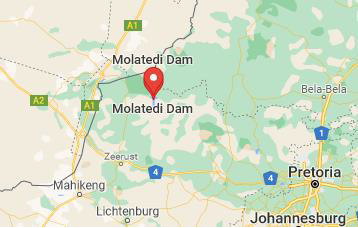
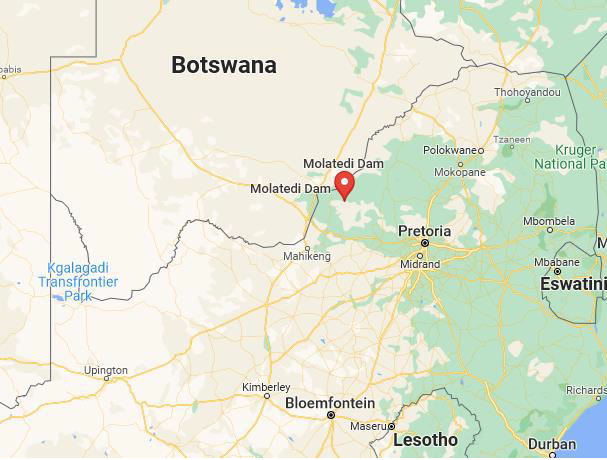
The project also includes the development of a contemporary 12-room mountain lodge to enhance tourism revenue streams and expand conservation impact. The Farm is strategically located adjacent to the internationally acclaimed Madikwe Game Reserve with views of the picturesque Molatedi Dam, creating superior ecotourism opportunities.

PROBLEM THE PROJECT IS ADDRESSING

The project addresses several interconnected challenges:

  1. Lack of certified game meat processing facilities that meet export standards and food safety requirements
  2. Limited economic opportunities in rural areas lead to poverty and unemployment
  3. Pressures on wildlife habitats and biodiversity from unsustainable land use practices
  4. Limited participation of black entrepreneurs in the wildlife economy value chain
  5. Inconsistent supply of high-quality game meat products to premium markets
  6. Poaching threats to wildlife populations due to limited economic incentives for conservation

THE PROPOSED SOLUTION

Mputsu Farming and Tourism Investment has developed an integrated business model that combines wildlife conservation with sustainable economic utilisation through multiple complementary activities:

  • Game farming and wildlife breeding programmes on the 1,200-hectare Koedoesfontein property, with plans to expand to 4,200 hectares through the acquisition of Schoonkloof;
  • Sustainable hunting operations that generate revenue whilst maintaining ecological balance;
  • Tourism accommodation facilities, with plans for a new 12-room mountain lodge development;
  • Game meat processing through an abattoir facility that creates value-added products for retail markets;
  • Anti-poaching services that protect wildlife assets and contribute to regional security.

This integrated approach creates multiple revenue streams while ensuring the property's long-term ecological sustainability. The business model demonstrates how black entrepreneurs can successfully participate in and transform the wildlife economy sector.

NATURE OF BUSINESS

Mputsu Farming and Tourism Investment has created a comprehensive solution through a vertically integrated wildlife economy business with four complementary components:

Game Farming and Conservation:

company manages wildlife populations through scientific ecological studies and breeding programmes, including participation in the SANParks Wildlife Donation Programme. The Farm hosts diverse species, including recently acquired White Rhinoceros, Buffalo, Eland, Red Hartebeest, and Black Wildebeest.


State-of-the-Art Abattoir:

Establish a modern game meat processing facility in the Bodirelo Industrial Park within the Buchanala Special Economic Zone, designed to meet the highest hygiene and regulatory standards for domestic and export markets.


Premium Market Access:

The company has secured offtake agreements with Woolworths and other major retailers, providing a solid foundation for consistent revenue generation.


Luxury Ecotourism:

Development of a 12-room contemporary mountain lodge to provide exclusive nature experiences while diversifying revenue streams and enhancing the financial sustainability of conservation efforts.

THE BIODIVERSITY AND CONSERVATION PRIORITIES OF THE PROJECT

  1. Expanding protected wildlife habitat through acquisition and conservation management of private land
  2. Wildlife population management based on scientific ecological studies that balance species needs with vegetation availability
  3. Protection of endangered species, including White Rhinoceros and rare antelope
  4. Conservation of Indigenous vegetation, particularly endangered tree species, including Marula trees
  5. Water resource protection, including regular cleanup operations for the Kolonist River that runs through the property
  6. Anti-poaching operations that extend beyond the Farm's boundaries to support regional conservation efforts
  7. Providing helicopter support for broader anti-poaching initiatives in collaboration with government reserves

WHAT ARE THE EXPECTED OUTCOMES / IMPACT

Economic Development:

  • Establishment of a viable wildlife economy enterprise integrating conservation, tourism, and sustainable utilisation
  • Creation of 25 current jobs, increasing to approximately 54 lodge staff and 8 permanent farm staff positions
  • Development of a wildlife economy hub in the North West Province that stimulates related businesses
  • Value addition to game products through certified processing, increasing market value and export potential


Job Creation:

  • 25 current staff (18 from local communities)
  • Additional jobs through lodge expansion (targeting 90% local employment, 95% black South African employment, and 60% female employment)
  • Indirect employment through the supply chain, including logistics, packaging, and maintenance services
  • Skills development in wildlife management, hospitality, meat processing, and anti-poaching operations


Conservation:

  • Protection and expansion of 1,200 hectares of wildlife habitat, with plans to increase to 4,200 hectares
  • Breeding programmes for various wildlife species, including threatened and endangered species
  • Enhanced anti-poaching capabilities, including helicopter support extending to neighbouring conservation areas
  • Sustainable wildlife utilisation demonstrates the economic value of intact ecosystems


Social Impact:

  • Economic empowerment of surrounding communities through employment and entrepreneurship opportunities
  • Skills transfer and capacity building, particularly for women and youth
  • Enhanced food security through sustainable protein production
  • Conservation education and awareness in nine surrounding villages
  • Black economic empowerment in a traditionally white-dominated sector
  • Preservation of cultural heritage and Indigenous knowledge systems

BARRIERS THE PROJECT FACES

The project faces several challenges that require strategic intervention:

Environmental challenges:

Extreme weather events, including floods that damage infrastructure and fencing


Regulatory hurdles:

Delays in permit issuance affecting hunting operations and seasonal revenue generation


Market constraints:

Competition from established players in game meat processing and luxury tourism


Community engagement:

Limited uptake of opportunities by local communities despite outreach efforts


Skills availability:

Challenges in recruiting and retaining qualified staff in rural locations


Infrastructure limitations: 

Reliable water and electricity supply in a remote location


Financial constraints:

Access to growth capital for expanding operations and implementing new initiatives


Security concerns:

Poaching threats to valuable species, particularly rhinoceros, require significant security investment

THE NATURE OF CAPITAL INVESTMENT OR SUPPORT REQUIRED

The funding support required:

Activity Amount Required
Abattoir equipment upgrades R3,500,000
Construction of 12-room mountain lodge R46,900,000
Game farm expansion (acquisition of Schoonkloof property) R15,000,000
Anti-poaching infrastructure and equipment R2,500,000
Working capital for operations R2,100,000
Total: R70,000,000

PROJECT LOCATION

The project is located in the biodiversity-rich North West Province of South Africa, strategically positioned adjacent to the internationally acclaimed Madikwe Game Reserve. The property falls within an important wildlife corridor and includes habitat for numerous species of conservation concern. The area hosts diverse vegetation types and is part of the broader savanna biome that supports significant biodiversity. The landscape features a variety of habitats, including woodlands, grasslands, and riparian zones along the Kolonist River, contributing to high species diversity and ecological resilience.

PROJECTS PROMOTION TO EXPANSION OF PROTECTED AREAS

The project directly contributes to the expansion of protected areas through:

  1. Secure conservation management of the existing 1,200-hectare Koedoesfontein property
  2. Ongoing negotiations to incorporate an additional 3,000-hectare Schoonkloof property, which would increase the protected area to 4,200 hectares
  3. Wildlife management practices that enhance habitat quality and species diversity
  4. Protection of water resources, including the Kolonist River that flows through the property
  5. Creation of wildlife corridors that connect with neighbouring conservation areas

Makhasa Private Game Lodge

Submitted by admin on May 26, 2025

PROJECT NAME / SITE:

Makhasa Private Game Lodge

--------------------------------------------------------

INDUSTRY: 

wildlife conservation, cultural heritage preservation, and sustainable tourism practices

--------------------------------------------------------

MAIN CONTACT PERSON: 

Mr Thokozani Thiyamazwi Mlambo

--------------------------------------------------------

Business Registration number:

2010/022891/07

--------------------------------------------------------

PROJECT LOCATION:

Munyawana Private Game Reserve, Phinda Forest Lodge Gate, D448 District Road, Hluhluwe, 3960

Location

PROJECT PARTNERS:

  • &Beyond Phinda (Professional Guide Services)
  • Wild Tomorrow Fund (Strategic Conservation Partner)
  • iSimangaliso Wetland Park Authority (Operational Support & Stakeholder Facilitation)
  • Munyawana Conservancy (Protected Area Management)
  • Local Community Suppliers (Agricultural Produce and Artisanal Crafts)

--------------------------------------------------------

Investment Range / ROI

R500 000 - R5 Million
ROI - 35% pa

--------------------------------------------------------

Public or Private Sector

This is a Private Sector Opportunity

--------------------------------------------------------

When was your business established?

2022

Environment

The project will substantively improve existing environmental conditions through multiple integrated mechanisms:

  • Materially strengthening the economic business case for maintaining the land under formal conservation status rather than converting to environmentally detrimental alternative land uses
  • Generating significantly increased revenue streams dedicated to conservation initiatives and biodiversity management within the reserve
  • Implementing comprehensive water management systems through infrastructure upgrades, substantially reducing pressure on local water resources
  • Expanding support for systematic alien invasive plant species removal and habitat restoration efforts across the reserve ......


Social Impact

The strategic expansion of Makhasa Private Game Lodge will significantly enhance livelihoods within the local community through multiple interventions:

  • The strategic expansion of Makhasa Private Game Lodge will significantly enhance livelihoods within the local community through multiple interventions:
  • Creation of 15-20 additional permanent formal-sector employment opportunities, directly benefiting economically vulnerable local households
  • Development of specialised, market-relevant skills in hospitality management, conservation practice, and tourism operations with recognised certification
  • Substantial increase in monthly household income flowing into the community through wages, salaries and community trust dividends.

DESCRIPTION OF THE MAKHASA PRIVATE GAME LODGE

Makhasa Private Game Lodge represents a premier community-driven conservation enterprise strategically positioned within the prestigious Munyawana Private Game Reserve in KwaZulu-Natal. Established in 2022 following a successful land restitution claim by the Makhasa community, the lodge exemplifies an exceptional convergence of wildlife conservation, cultural heritage preservation, and sustainable tourism practices.

The investment opportunity entails a strategic capital expansion programme for the lodge's facilities to incorporate a wellness spa centre, executive conference facilities, luxury family accommodation units, and modern fitness amenities. These enhancements will effectively address current operational capacity constraints whilst simultaneously diversifying revenue streams and generating substantial additional employment opportunities for the local community. The proposed development will materially strengthen the lodge's competitive market position and enhance its conservation impact whilst preserving the region's unique natural and cultural heritage assets.

THE PROBLEM THE PROJECT IS ADDRESSING

  • Suboptimal accommodation capacity restricting revenue potential and market penetration
  • The absence of family-oriented accommodation configurations limits access to a lucrative market segment.
  • Lack of integrated wellness, conference, and recreational facilities reducing guest retention metrics and average stay duration
  • Inadequate water infrastructure compromising operational efficiency and sustainability
  • Substandard access roads negatively impact guest experience and vehicle maintenance costs.
  • Insufficient revenue diversification creates vulnerability to tourism market fluctuations and economic cycles.
  • Limited employment opportunities for local community members within the formal economy
  • Need for commercially viable, ecologically sustainable alternatives to conventional land use in biodiversity-rich areas.

NATURE OF BUSINESS

Makhasa Private Game Lodge proposes a comprehensive capital expansion and infrastructure enhancement programme to address the identified challenges through a strategic phased implementation approach:

  • Construction of four luxury family accommodation units to increase capacity and penetrate the high-value family tourism market segment
  • Development of a bespoke wellness spa centre with multiple treatment rooms, relaxation areas and Indigenous treatment offerings
  • Establishment of a multipurpose conference venue with capacity for up to 40 delegates with state-of-the-art facilities
  • Integration of premium fitness facilities and recreational amenities to enhance guest experience
  • Substantial upgrade of water infrastructure systems to ensure operational resilience and sustainability
  • Comprehensive renovation of access roads to enhance guest arrival experience and operational efficiency

The lodge will continue its core business of providing premium all-inclusive luxury safari experiences within a prestigious Big 5 game reserve, strategically enhanced with complementary facilities designed to extend average guest stay duration and substantially increase revenue per guest. The community-ownership model will remain the foundational element of operations, ensuring sustainable economic benefits flow directly to local community stakeholders.

THE BIODIVERSITY AND CONSERVATION PRIORITIES OF THE PROJECT

  • Preservation and protection of pristine natural habitats within a formally protected 30,000-hectare Big 5 game reserve ecosystem
  • Conservation of the rare and critically endangered Sand Forest ecosystem, recognised as a biodiversity asset of global significance
  • Strategic contribution to the regional wildlife corridor established through the incorporation of Makhasa Nature Reserve within the broader Munyawana Conservancy framework
  • Implementation of comprehensive wildlife monitoring and protection programmes in partnership with recognised conservation authorities
  • Material support for targeted conservation initiatives protecting priority species, including black rhinoceros, white rhinoceros, cheetah, lion, and pangolin populations
  • Development and delivery of integrated environmental education programmes for both guests and staff
  • Systematic alien invasive plant species removal and habitat restoration initiatives
  • Maintenance of ecological integrity within a globally significant biodiversity hotspot
  • Protection of critical water resources, including tributaries that feed into nationally significant wetland systems

OUTCOMES & IMPACT

1. Economic Development:

  • Substantial increase in lodge revenue by approximately 65% within a 36-month period post-implementation
  • Creation of 15-20 additional permanent positions exclusively for local community members
  • Significantly expanded skills development programme capacity with specialised roles in wellness therapy, events management, and technical maintenance
  • Measurably strengthened local supply chain through increased procurement volume and supplier development initiatives
  • Enhanced economic diversification beyond traditional livelihoods, creating resilience within the local economy


2. Job Creation:

  • 15-20 new permanent positions strategically created within the lodge operations across multiple departments
  • Additional 5-7 skilled and semi-skilled positions during the construction and development phase
  • Substantial indirect job creation through increased procurement from local suppliers and service providers
  • Expanded skills development programme with 5 additional trainee positions focused on youth development
  • Creation of career advancement pathways in tourism, conservation and hospitality management


3. Conservation:

  • Significantly increased revenue supporting enhanced conservation initiatives and ecosystem management.
  • Implementation of improved environmental education facilities for guests, staff and community members
  • Development of water conservation infrastructure with broad benefits for the surrounding ecosystem
  • Enhanced protection of biodiversity through a demonstrably sustainable tourism model
  • Measurably strengthened community commitment to conservation principles through direct economic benefits.


THE BARRIERS AND CHALLENGES THE PROJECT FACES?

  • Critical water security challenges requiring substantial infrastructure investment for long-term sustainability
  • Substandard road access infrastructure requiring comprehensive improvements
  • Intensifying competition from nearby reserves and lodges requiring strategic market differentiation
  • Potential economic downturn affecting domestic and international tourism spending patterns
  • Climate change impacts affecting wildlife viewing conditions and seasonal patterns
  • Accelerated degradation of infrastructure due to environmental conditions
  • Wildlife management challenges requiring specialised expertise and resources
  • Suboptimal revenue structure with disproportionate fees currently allocated to &Beyond Phinda for game drive services


WHAT THE NATURE OF CAPITAL INVESTMENT OR SUPPORT REQUIRED

The funding support required is outlined in the following strategic capital allocation framework:

Strategic Investment Category Capital Allocation Required
Luxury Family Accommodation Units R3,200,000
Premium Spa and Wellness Centre R1,500,000
Executive Conference Facilities R1,800,000
Fitness and Recreational Amenities R800,000
Water Infrastructure Systems R700,000
Access Road Enhancement R500,000
Total Capital Requirement: R8,500,000

LOCATION OF PROJECT

Makhasa Private Game Lodge is strategically situated within the Munyawana Conservancy, a formally protected 30,000-hectare nature reserve in KwaZulu-Natal, officially designated under South Africa's National Environmental Management Act. The conservancy shares a boundary with the iSimangaliso Wetland Park, a UNESCO World Heritage site of international significance. This exceptional location positions Makhasa within one of South Africa's most ecologically valuable biodiversity hotspots spanning the southern Lebombo Mountain Range, which contains critically important sand forest habitats classified as exceptionally rare. The area supports the complete complement of Big 5 wildlife populations and hosts over 436 documented bird species across seven distinct habitat types, establishing it as an area of exceptional biodiversity richness and conservation significance.

DOES THE PROJECT PROMOTE THE EXPANSION OF PROTECTED AREAS?

The Makhasa community's strategic decision to maintain their ancestral land as an integral part of the Munyawana Conservancy following their successful land restitution claim actively supports the continued protection of this critical habitat. Rather than pursuing conventional land conversion to alternative economic uses, the community has deliberately chosen to develop a sustainable tourism model that maintains and enhances the area's ecological integrity. The project significantly strengthens the economic case for conservation by demonstrating conclusively that protected areas can generate sustainable livelihoods and substantial community benefits when managed with a disciplined focus on biodiversity conservation principles.

Mor Nutritional Products (Pty) Ltd

Investor Login Area - A Deeper Look

Mor Nutritional Products (Pty) Ltd

Limpopo Province


Contact Details

Tshepiso Seloane | +27 66 345 6558 | tshepiso@mornutri.co.za
 
Thushego Mathabatha | +27 64 545 8158 | thusego@mornutri.co.za
 

Investment Range Required


R5 Million - R20 Million

Type of Investment Required


Capital Expenditure
Infrastructure Funding
Working Capital

PROJECT REVENUE GENERATION

Mor Nutri is a revenue-generating enterprise with an established market presence and demonstrated financial viability. For the financial year ended 30 April 2024, the company recorded revenue of R493,900, representing a robust 72% year-on-year increase from R286,720 in 2023.

The business maintains an exceptionally strong gross profit margin of 88.89%, indicative of effective cost management in direct production and premium product positioning. This healthy margin substantially contributes toward operational expenses while supporting reinvestment in growth initiatives.

After covering all operating expenses, the company achieved a net profit margin of 7.22% for the 2024 financial year, representing a significant turnaround from the previous year's loss position. This transition to profitability reflects improved operational efficiency, effective cost control, and growing market traction.

Financial projections based on secured letters of intent and pipeline opportunities indicate continued strong revenue growth, with anticipated annual revenues reaching:

R691,460 in 2025
(40% growth)

R968,044 in 2026
(40% growth)

R1,355,262 in 2027
(40% growth)

The company maintains a conservative financial structure with minimal leverage (debt-to-equity ratio of 0.08) and strong liquidity (current ratio of 8.69). This financial prudence provides resilience during growth phases while minimising financial risk.

A comprehensive business plan with detailed financial statements and projections is available for review, demonstrating the enterprise's sound financial management and commercial viability.

SUPPORT TO YOUNG PEOPLE AND WOMEN

Employment Composition:

The company maintains a workforce of 90% youth and 70% women, directly addressing two particularly vulnerable demographics in the Limpopo labour market. This employment creation provides stable income and skill development opportunities in a region with limited formal employment options. Beyond direct job creation, the company's growth trajectory includes plans for 20 positions by 2027, further extending community economic benefits.

Women's Cooperative Partnerships:

Structured relationships with women-led cooperatives create additional economic opportunities through stable purchasing agreements for indigenous ingredients, particularly prickly pear. These partnerships have increased participating women's incomes by an average of 30% while developing valuable business skills and market access. The company provides technical support and quality guidance that enhances cooperative capabilities beyond the direct purchasing relationship.

Youth Skills Development:

Mor Nutri implements comprehensive skills transfer programs for young employees, developing capabilities in sustainable agriculture, food processing, quality control, and marketing. These transferable skills enhance long-term employability and entrepreneurial potential beyond current positions. The company also mentors young agricultural entrepreneurs from surrounding communities, extending impact beyond direct employees.

Community Knowledge Sharing:

Regular workshops on sustainable agricultural practices and nutritional awareness reach approximately 200 community members annually. These initiatives enhance community capabilities while preserving indigenous knowledge systems by integrating contemporary scientific approaches. Particular emphasis is placed on engaging women and youth in these knowledge-sharing activities to support intergenerational continuity.

Gender-Responsive Business Practices:

The company implements policies that specifically address women's needs, including flexible working arrangements for mothers, menstrual leave provisions, and prioritising women for advancement opportunities. These approaches have created a work environment where women thrive professionally while balancing family responsibilities, as evidenced by 90% female employee retention compared to industry averages of around 70%.

Economic Multiplier Effects:

Beyond direct employment and cooperative purchases, Mor Nutri generates significant economic multiplier effects in surrounding communities. Employees' wages circulate through local businesses, while the company's local procurement practices support additional community livelihoods. This broader economic impact strengthens community resilience and reduces vulnerability to economic shocks.

Social Infrastructure Support:

The company allocates a portion of profits to support community infrastructure, including contributions to educational facilities and community gardens. These initiatives enhance the broader social environment while building goodwill and community ownership of the enterprise's success. The approach creates mutually reinforcing relationships rather than extractive business practices.

The integration of community support throughout business operations creates a sustainable social impact that grows proportionally with enterprise success rather than treating community benefit as a secondary consideration or corporate social responsibility afterthought.

DOES THE PROJECT PROMOTE SMMES?

Yes, Mor Nutri actively promotes Small, Medium and Micro Enterprises (SMMEs) through multiple intentional mechanisms embedded in its business model:

Supply Chain Integration:

The company has structured its supply chain to incorporate multiple small enterprises rather than relying exclusively on large commercial suppliers. This approach includes:

  • Sourcing complementary ingredients from small-scale farmers
  • Purchasing prickly pear from women's cooperatives
  • Engaging local service providers for logistics and support services
  • Procuring packaging materials from regional small manufacturers

Distributor Development:

The multi-level marketing distribution model creates entrepreneurial opportunities for independent distributors who market and sell Mor Nutri products. The company provides these distributors with product knowledge, marketing materials, and business development support, enabling them to establish viable micro-enterprises with limited initial capital requirements.

Technical Support:

Mor Nutri provides substantial technical assistance to its SMME partners, enhancing their capabilities and long-term viability. This support includes:

  • Agricultural guidance for small-scale farmers
  • Quality control training for cooperative suppliers
  • Business skills development for distributors
  • Market access facilitation for complementary product manufacturers

Market Linkages:

The company leverages its established relationships with hospitality clients to create market access for complementary SMMEs that might otherwise struggle to reach these institutional buyers. This approach creates mutually beneficial relationships where Mor Nutri enhances its offering while supporting SMME growth.

Knowledge Transfer:

Systematic sharing of business processes and technical knowledge builds SMME capabilities beyond immediate transactions. This knowledge transfer enhances long-term entrepreneurial capacity in surrounding communities, creating broader economic resilience.

Cooperative Formalisation:

Mor Nutri has supported the registration and formalisation of three women's cooperatives, enabling these entities to access broader markets and support programs. This formalisation creates sustainability beyond the direct relationship with Mor Nutri.

Growth Pathway Demonstration:

By showcasing the successful evolution from micro-enterprise to established company, Mor Nutri provides a tangible growth model for emerging entrepreneurs in the region. This demonstration effect inspires aspiration while offering practical guidance on scaling approaches.

The company's community embeddedness creates an entrepreneurial ecosystem that stimulates additional SMME development beyond direct partnerships. This catalytic effect multiplies economic impact by creating complementary businesses serving growing market opportunities.

PROJECT FUNDING OPTIONS

Mor Nutri is open to multiple funding structures to support the requested investment of R770,256 with a preference for arrangements that align investor returns with the company's integrated commercial and impact objectives. The preferred funding options include:

Equity Investment:

Senior Loan:

Lease Finance:

Equity participation would enable investor alignment with the company's long-term growth trajectory while providing capital for immediate expansion priorities. The company is prepared to offer a minority equity stake with appropriate governance representation, creating a genuine partnership approach rather than merely a financial transaction. This structure would allow investors to participate in the enterprise's projected growth while supporting its biodiversity conservation objectives. A structured loan facility with reasonable interest rates and appropriate tenor would provide the necessary capital while maintaining the current ownership structure. The company's strong gross margins and improving cash flow position support debt servicing capabilities, particularly as capital investments enhance operational capacity and revenue generation. A 6-12 months grace period before the commencement of repayments would enable the company to implement expansion initiatives before beginning debt service. For equipment-specific portions of the investment, lease financing arrangements offer advantages through reduced upfront capital requirements and potential tax benefits. This approach would be particularly suitable for delivery vehicles (R250,000) and certain processing equipment, allowing the company to access necessary operational assets while preserving capital for other growth priorities.

The company welcomes discussion regarding hybrid financing structures that combine elements of these approaches to create optimal alignment between investor requirements and business needs. Regardless of financing structure, Mor Nutri commits to transparent reporting on both financial performance and impact metrics, ensuring accountability for commercial returns and conservation outcomes.

INVESTMENT CASE

ORGANISATION & GOVERNANCE

Mor Nutritional Products (Pty) Ltd maintains a lean yet effective governance structure appropriate to its current scale while providing robust oversight and strategic guidance:

Leadership Team:

The company is led by co-founders Tshepiso Seloane and Thushego Mathabatha, who hold 50% ownership and are active directors. Both bring extensive knowledge of moringa cultivation, processing techniques, and market development. Their complementary skills span agricultural production, product formulation, financial management, and stakeholder relationships, creating a balanced leadership approach.

Organisational Structure:

The current team comprises 15 staff members organised across key functional areas:

  • Cultivation and Raw Material Processing (5 staff)
  • Product Formulation and Packaging (4 staff)
  • Quality Control and Regulatory Compliance (2 staff)
  • Sales, Marketing and Distribution (3 staff)
  • Administration and Finance (1 staff)

With the proposed investment, this team will expand to approximately 35 staff by 2027, with particular growth in production, distribution, and quality control functions. The expansion will maintain the company's commitment to youth employment (90%) and women's representation (70%).

Advisory Relationships:

The leadership team is supported by formal advisory relationships that enhance strategic capabilities:

  • Academic partnerships with Wits University and the University of Limpopo provide scientific guidance
  • Agricultural Research Council offers technical support on cultivation practices
  • GIZ partnership provides guidance on certification and compliance processes
  • Local business mentors contribute commercial expertise

Operational Policies:

The company has established comprehensive policies governing key areas, including:

  • Financial management and control systems
  • Quality assurance protocols
  • Environmental management practices
  • Community engagement approaches
  • Staff development and welfare

Expansion Governance:

To support the planned growth trajectory, the company is prepared to enhance governance structures through:

  • Formation of a formal advisory board with relevant expertise
  • Implementation of expanded reporting and accountability mechanisms
  • Development of more comprehensive risk management frameworks
  • Regular strategic reviews to ensure alignment with evolving market conditions

This governance approach provides appropriate oversight while maintaining the operational flexibility needed for a growing enterprise in a dynamic market environment. The structure emphasises accountability to stakeholders while supporting the company's integrated commercial and impact objectives.

CAN THE PROJECT BE SCALED & CAN IT BE COPIED?

Mor Nutri's business model offers substantial scalability through multiple dimensions while creating replication potential across similar ecological and social contexts:

1. Scalability Pathways:

Production Scalability: The cultivation and processing systems are designed with modularity that enables incremental expansion without proportional increases in overhead costs. Moringa's perennial nature allows for sustained harvest increases as trees mature, while the processing approach can be scaled through additional equipment without fundamental process redesign. The requested investment in dehydration and packaging equipment will increase production capacity by approximately 50%, with further expansion possible through similar incremental investments.

Market Scalability: The multi-channel distribution approach creates diverse growth pathways, including:

  • Deepening penetration within the hospitality sector beyond current clients
  • Geographical expansion of the distributor network beyond current regions
  • Development of e-commerce capabilities to access national consumers
  • Export potential for premium markets once certifications are secured

Product Line Scalability: The established research partnerships enable continuous product innovation and line extensions based on the core moringa ingredient. The company has identified several complementary product categories with substantial market potential, creating opportunities for revenue growth without fundamental business model changes.

2. Replication Potential:

Geographical Replication: The cultivation approach is well-suited to similar semi-arid regions across Southern Africa, creating substantial replication potential in areas with comparable growing conditions. The business model could be effectively implemented in parts of Mpumalanga, Eastern Cape, and neighbouring countries, including Botswana, Zimbabwe, and Namibia.

Mor Nutritional Products (Pty) Ltd

Submitted by admin on May 15, 2025

PROJECT NAME/ SITE:
Mor Nutritional Products (Pty) Ltd

--------------------------------------------------------

INDUSTRY: 

Bioprospecting

--------------------------------------------------------

MAIN CONTACT PERSON: 

Tshepiso Seloane & Thushego Mathabatha

--------------------------------------------------------

PROJECT LOCATION:

Stand No 490 Tooseng Village GaMphahlele, Lebowakgomo, Limpopo Province, South Africa

PROJECT PARTNERS:

  • Wits University (research and product development)
  • Agricultural Research Council (research and certification support)
  • Local women's cooperatives (sourcing prickly pear and other ingredients)
  • University of Limpopo (Ubuntu BIO-based innovation initiative)
  • Limpopo Resource Centre (distribution support)

--------------------------------------------------------

Investment Range / ROI

R500 000 - R5 Million
ROI - 35% pa

Public or Private Sector

This is a Private Sector Opportunity

Environment

  • Sequestration of 50+ tonnes of CO2 annually through moringa cultivation, with cumulative impact reaching 88 tonnes by 2027
  • Improvement of soil health across 50 hectares through organic practices, with a 15% average increase in soil organic matter
  • Conservation of 1 million+ litres of water annually through efficient cultivation practices compared to conventional agriculture
  • Elimination of chemical runoff into local waterways through organic cultivation methods
  • Maintenance of habitat for 20+ pollinator species, supporting broader ecosystem resilience
  • Zero waste to landfill through comprehensive circular economy approaches

Social Impact

  • Distribution of 100,000 nutrient-rich product units annually by 2027, addressing nutritional deficiencies in communities
  • Reduction in school absenteeism by approximately 10% in communities where moringa supplements are consistently used
  • Creation of viable rural livelihoods that reduce urban migration pressures
  • Enhancement of women's economic empowerment, with female participants reporting 40% greater decision-making authority within households
  • Transfer of sustainable agricultural knowledge to 200+ community members annually through training initiatives
  • Preservation and commercial application of Indigenous knowledge systems, creating intergenerational knowledge transfer

PROJECT STATUS :

Existing Business

MAIN CONTACT DETAILS:

Business Owner Business Owner
Name: Tshepiso Seloane Name: Thushego Mathabatha
Capacity: Business Owner Capacity: Business Owner
Tel No: +27 66 345 6558 Tel No: +27 64 545 8158
Email: tshepiso@mornutri.co.za Email: thusego@mornutri.co.za
Website: www.mornutri.co.za

DESCRIPTION OF THE BIODIVERSITY INVESTMENT OPPORTUNITY

trees stabilise soil and prevent erosion—a critical benefit in Limpopo's erosion-prone landscape. The zero-waste approach utilises every part of the plant—leaves for teas, seeds for oils, and waste for compost—minimising environmental degradation and fostering a circular economy.

From a social impact perspective, Mor Nutri employs a workforce that is 90% youth and 70% women, addressing Limpopo's high unemployment rates. Structured partnerships with local women's cooperatives for sourcing indigenous ingredients like prickly pear create additional economic opportunities in marginalised communities. These partnerships provide community-based producers fair wages, skill development, and market access.

The business has achieved significant market traction, with secured letters of intent from the Tara Mushade Group of Hotels for placement in five lodges and advanced discussions with premium establishments such as Tintswalo in Kruger National Park. Additionally, the company has established a network of distributors operating on a multi-level marketing model, reaching customers across multiple regions.

This investment opportunity seeks R770,256 to scale operations through strategic investments in equipment upgrades, distribution infrastructure, and e-commerce capabilities. These investments will enhance production capacity, improve distribution efficiency, and establish direct-to-consumer channels, supporting projected revenue growth from R493,900 in 2024 to R1,355,262 by 2027.

PROBLEM THE PROJECT IS ADDRESSING

Mor Nutri addresses several interconnected environmental, social, and economic challenges in South Africa's Limpopo Province:

High Unemployment:

With provincial unemployment rates exceeding 30% (Statistics South Africa, 2023) and youth unemployment reaching as high as 40% in rural areas, Mor Nutri creates meaningful employment opportunities with a specific focus on youth and women, two particularly vulnerable demographics. The integrated business approach combines direct employment with support for cooperatives and small-scale farmers, creating a multi-layered economic impact.

Nutritional Deficiencies:

Malnutrition affects over 25% of South African children (UNICEF, 2022), with micronutrient deficiencies particularly prevalent in rural communities. With its exceptional nutritional profile, including high levels of vitamins A, C, iron, and complete amino acids, Moringa offers an accessible, locally grown solution to nutritional challenges. The company's innovative product formats make these nutritional benefits available to consumers.

Soil Degradation:

Over 60% of Limpopo's agricultural land suffers from erosion and nutrient depletion (Department of Agriculture, 2021), threatening long-term agricultural productivity and ecosystem health. Moringa cultivation actively counters this degradation through deep root systems that stabilise soil structure, improve water infiltration, and enhance organic matter content through leaf drop and mulching.

Water Scarcity:

Limpopo Province receives annual rainfall of approximately 400-600mm, below the national average, creating persistent water stress. Moringa's exceptional drought tolerance—requiring just 4 litres of water per tree weekly compared to 20 litres for maise—offers a water-efficient agricultural alternative suited to the region's climatic conditions.

Biodiversity Loss:

Conventional agricultural practices, including monocropping and chemical inputs, threaten local biodiversity, pollinators, soil organisms, and native plant species. Mor Nutri's organic cultivation practices and buffer zones support ecosystem health while integrating indigenous ingredients to promote biodiversity conservation through economic incentivisation.

Limited Value Addition:

Raw agricultural products typically generate minimal economic returns, restricting rural development potential. Mor Nutri's processing and product development activities create substantial value addition within the local economy rather than exporting raw materials for processing elsewhere.

Market Access Barriers:

Small-scale producers in rural areas face significant challenges accessing viable product markets. Mor Nutri's partnerships with women's cooperatives and local farmers create structured market opportunities, providing stable income through fair purchasing commitments.

By simultaneously addressing these interconnected challenges, Mor Nutri demonstrates how thoughtfully designed agricultural enterprises can generate positive environmental, social, and economic outcomes rather than forcing trade-offs between these dimensions.

WHAT IS THE PROPOSED SOLUTION (OR NATURE OF BUSINESS)?

Mor Nutri offers a comprehensive solution that integrates environmental sustainability, nutritional innovation, and inclusive economic development:

Sustainable Cultivation:

The company employs organic growing practices for moringa trees, eliminating synthetic pesticides and fertilisers that can harm ecosystems. Water conservation is embedded throughout the cultivation process, with efficient drip irrigation systems and rainwater harvesting that reduce consumption by up to 70% compared to conventional agriculture. The cultivation approach adheres to South African Organic Sector Organisation (SAOSO) standards and principles.


Zero-Waste Processing:

Mor Nutri maximises resource efficiency through a circular production model where every part of the moringa tree serves a purpose. Leaves are dried for tea blends and nutritional supplements, seeds are processed for oil extraction, and all byproducts are returned to the soil through composting, achieving a 100% utilisation rate. This integrated approach eliminates waste while enhancing soil health and productivity.

Innovative Product Development:

Through partnerships with research institutions, particularly under the Ubuntu Biobased Innovation programme, the company develops distinctive product formulations that combine Moringa with complementary indigenous ingredients. These formulations enhance taste profiles and nutritional benefits, creating unique offerings unavailable from competitors. Rigorous testing and quality control ensure consistent product excellence.

Multi-Channel Distribution:

The business employs a diversified distribution strategy that includes:

  • Direct sales through a network of independent distributors operating on a multi-level marketing model
  • Institutional relationships with the hospitality sector, particularly lodges and boutique hotels
  • Corporate wellness contracts with organisations seeking to support employee health
  • Planned e-commerce capabilities to enable direct-to-consumer sales nationally
Community Partnerships:

Structured relationships with local cooperatives create mutual value. These partnerships include formal purchasing agreements for indigenous ingredients, technical support for harvesting and preparation, and knowledge transfer. The partnerships focus on women's groups, creating economic opportunities for a traditionally marginalised demographic.

Educational Initiatives:

Beyond its core commercial activities, Mor Nutri conducts nutritional awareness and agricultural knowledge-sharing programmes in surrounding communities. These initiatives enhance understanding of indigenous nutritional resources and sustainable farming approaches, extending impact beyond direct business operations.

This integrated solution addresses the identified problems through a model that simultaneously generates commercial returns, environmental benefits, and social impact rather than treating these dimensions as separate considerations or afterthoughts.

WHAT ARE THE BIODIVERSITY AND CONSERVATION PRIORITIES OF THE PROJECT?

Mor Nutri has established clear biodiversity and conservation priorities that are systematically integrated throughout its operations and strategic planning:

Soil Health and Ecosystem Functioning:

The company prioritises soil as a living ecosystem rather than a growing medium. Organic cultivation practices enhance microbial diversity and activity, supporting robust soil food webs that underpin broader ecosystem health. Regular soil testing monitors organic matter content, which has increased by approximately 15% in cultivation areas since implementation. These practices support diverse plant communities and beneficial insects such as pollinators and predatory species that control pests naturally.

Water Resource Protection:

Water conservation extends beyond efficiency measures to include explicit protection of water resources. Buffer zones along seasonal water courses prevent erosion and filtrate runoff, protecting aquatic ecosystems in the Lepelle River catchment. The company's water-efficient practices save an estimated 1 million litres annually compared to conventional crops, reducing pressure on stressed water resources.

Indigenous Species Conservation:

Mor Nutri actively supports the conservation of indigenous flora through its sourcing practices. Incorporating indigenous ingredients like prickly pear creates economic incentives for their preservation rather than replacement with exotic crops. This approach aligns conservation with livelihood opportunities, creating sustainable protection mechanisms.

Pollinator Support:

Recognising the critical importance of pollinators for ecosystem functioning, the company maintains dedicated flowering plants throughout its cultivation areas. These plants provide nectar and pollen resources year-round, supporting native bee populations and other beneficial insects. This approach enhances natural pollination while reducing dependency on managed honeybees.

Carbon Sequestration:

Moringa trees serve as effective carbon sinks, with each mature tree sequestering approximately 22kg of CO2 annually. With 2,000 trees currently planted and additional planting scheduled, the operation makes a meaningful contribution to carbon drawdown. The perennial nature of moringa cultivation means this sequestration continues for decades with minimal disturbance.

Habitat Creation and Connectivity:

Buffer zones and boundary plantings create wildlife corridors that enhance connectivity between fragmented habitat patches. These areas provide resources for small mammals, birds, and reptiles, indirectly supporting larger species by maintaining prey populations. The diverse agroecosystem creates significantly more biodiversity than conventional monoculture farming.

Waste Reduction:

The zero-waste philosophy eliminates agricultural waste that would otherwise contribute to landfill pressures. Composting of all byproducts returns nutrients to the soil while supporting decomposer organisms essential for ecosystem functioning. This circular approach mimics natural nutrient cycling processes.

These priorities are regularly assessed through structured monitoring protocols developed in collaboration with the Agricultural Research Council, ensuring accountability and continuous improvement in biodiversity conservation outcomes.

WHAT ARE THE EXPECTED OUTCOMES / IMPACT? (Example: Economic Development, Job Creation, Conservation)

Mor Nutri's integrated approach is designed to deliver quantifiable outcomes across economic, environmental, and social dimensions:

1. Economic Impact:

  • Creation of 20 additional direct jobs by 2027, with 90% youth representation and 70% female employment, addressing critical unemployment challenges in Limpopo Province
  • Generation of R1.5 million in additional community income through direct employment and structured purchasing from cooperatives by 2027
  • Development of three women-led cooperatives with 30% average income growth through stable purchasing commitments
  • Establishment of market access for small-scale farmers, creating income diversification opportunities
  • Skills development for 50+ individuals annually in sustainable agriculture, processing, and marketing
  • Tax revenue contribution exceeding R143,000 annually by 2027, supporting local government services

2. Environmental Impact:

  • Sequestration of 50+ tonnes of CO2 annually through moringa cultivation, with cumulative impact reaching 88 tonnes by 2027
  • Improvement of soil health across 50 hectares through organic practices, with a 15% average increase in soil organic matter
  • Conservation of 1 million+ litres of water annually through efficient cultivation practices compared to conventional agriculture
  • Elimination of chemical runoff into local waterways through organic cultivation methods
  • Maintenance of habitat for 20+ pollinator species, supporting broader ecosystem resilience
  • Zero waste to landfill through comprehensive circular economy approaches

3. Social Impact:

  • Distribution of 100,000 nutrient-rich product units annually by 2027, addressing nutritional deficiencies in communities
  • Reduction in school absenteeism by approximately 10% in communities where moringa supplements are consistently used
  • Creation of viable rural livelihoods that reduce urban migration pressures
  • Enhancement of women's economic empowerment, with female participants reporting 40% greater decision-making authority within households
  • Transfer of sustainable agricultural knowledge to 200+ community members annually through training initiatives
  • Preservation and commercial application of Indigenous knowledge systems, creating intergenerational knowledge transfer

4. Biodiversity Impact:

  • Enhanced habitat for 5+ species of native pollinators, directly supporting ecosystem services
  • Increased soil biodiversity, including earthworms, fungi, and beneficial microorganisms
  • Protection of water resources through reduced extraction and elimination of chemical inputs
  • Support for avian diversity through habitat creation, with 15+ bird species documented in cultivation areas
  • Conservation of Indigenous plant varieties through economic incentivisation
  • Demonstration of biodiversity-positive agricultural approaches that can be replicated regionally

These impacts are monitored through structured assessment protocols to ensure accountability and continuous improvement. The framework includes both quantitative metrics and qualitative assessments gathered through stakeholder feedback, creating a comprehensive understanding of the enterprise's contribution to sustainable development.

WHAT BARRIERS OR CHALLENGES DOES THE PROJECT FACE?

Despite its substantial potential, Mor Nutri faces several strategic challenges that require thoughtful management:

Market Competition:

The premium health food market has attracted increasing competition, with larger brands leveraging significant marketing budgets and established distribution networks. Mor Nutri addresses this challenge through:

  • Differentiation based on scientifically validated nutritional superiority
  • Development of unique product formulations unavailable from competitors
  • Creating authentic sustainability credentials that resonate with conscious consumers
  • Emphasising local provenance and community impact in branding
Supply Chain Reliability:

Working with small-scale producers and cooperatives creates occasional supply consistency and quality standardisation challenges. The company mitigates these challenges through:

  • Diversified sourcing relationships that reduce dependency on any single supplier
  • Ongoing technical support and training for cooperative partners
  • Building buffer inventory of shelf-stable ingredients during peak availability
  • Clear quality standards and fair pricing that incentivise consistent production
Climate Risks:

As an agricultural enterprise, Mor Nutri faces inherent vulnerability to climate variability, which includes drought cycles, extreme weather events, and shifting growing conditions. The business builds resilience through the following:

  • Selection of drought-resistant moringa varieties specifically adapted to Limpopo conditions
  • Implementation of water-efficient cultivation practices and rainwater harvesting
  • Diversification of growing areas to spread geographical risk
  • Climate-smart agricultural practices that enhance adaptive capacity
Scaling Challenges:

Current production capacity constrains growth potential despite strong market demand. Equipment limitations and logistical bottlenecks represent significant barriers to scaling, which the company plans to address through:

  • Strategic equipment investments to increase processing capacity by 50%
  • Acquisition of dedicated delivery vehicles to enhance distribution reliability
  • Development of e-commerce capabilities to bypass physical distribution constraints
  • Implementation of inventory management systems that optimise production planning
Regulatory Compliance:

Navigating the complex regulatory landscape for food products requires substantial resources, particularly for a small enterprise. Mor Nutri manages this challenge through:

  • Partnership with the Agricultural Research Council for compliance guidance
  • A phased approach to certification, prioritising essential standards
  • Collaboration with industry associations for regulatory updates
  • Investment in staff training on quality control and documentation
Working Capital Constraints:

Limited access to working capital restricts the company's ability to fulfil larger orders and invest in growth opportunities. This constraint is addressed through:

  • Negotiation of favourable payment terms with institutional clients
  • Implementation of efficient inventory management to optimise cash flow
  • Development of a tiered growth strategy that prioritises high-margin opportunities
  • Strategic use of advance deposits for large orders
Market Education:

Moringa remains unfamiliar to many South African consumers, requiring ongoing educational marketing. The company addresses this awareness gap by:

  • Conducting product samplings at strategic locations
  • Developing educational content about Moringa's benefits
  • Leveraging partnerships with wellness professionals
  • Creating compelling storytelling around Indigenous nutritional wisdom

These challenges, while significant, are manageable through the strategic approaches outlined and the requested investment support. The company's leadership has demonstrated creativity and resilience in navigating previous obstacles, building confidence in their ability to address future challenges effectively.

WHAT IS THE NATURE OF CAPITAL INVESTMENT OR SUPPORT REQUIRED?

Mor Nutri seeks a total investment of R770,256 to capitalise on existing market traction and accelerate growth across three strategic dimensions:

1. Equipment Enhancement (R350,000):

  • Two additional professional dehydrators (R150,000) to increase production capacity by 40%
  • Automated packaging machine (R120,000) to improve efficiency and consistency
  • Quality testing equipment (R50,000) to ensure nutritional content verification
  • Storage infrastructure upgrades (R30,000) to maintain optimal inventory conditions

This equipment investment will increase production capacity by approximately 50%, enabling the company to meet growing demand from hospitality clients and expand into new market segments. The packaging automation will improve presentation consistency while reducing labour costs per unit by approximately 30%.

2. Distribution Infrastructure (R250,000):

  • Two dedicated delivery vehicles (R250,000) to enhance distribution reliability and control

Acquiring dedicated vehicles will eliminate dependency on third-party logistics providers, reducing distribution costs by approximately 35% while improving delivery reliability. This enhanced control will strengthen relationships with key hospitality clients while enabling expansion into new geographical areas currently unserviced due to distribution constraints.

3. E-Commerce Development (R170,256):

  • Comprehensive e-commerce platform development (R75,000)
  • Digital marketing campaign implementation (R45,000)
  • Product photography and content creation (R25,256)
  • Inventory management system integration (R25,000)

This digital infrastructure investment will establish direct-to-consumer sales capabilities, creating a new revenue channel with higher margins than wholesale distribution. The e-commerce platform will enable national reach without proportional increases in physical distribution costs while providing valuable consumer data to inform product development.

The requested investment represents a thoughtfully balanced approach to addressing current constraints while positioning the business for sustainable growth. Each component directly contributes to increased revenue potential, enhanced operational efficiency, and strengthened market position.

IS THE PROJECT LOCATED IN A BIODIVERSITY HOTSPOT OR BIODIVERSITY-RICH AREA?

Yes, Mor Nutri operates within Limpopo Province, an area of exceptional biodiversity significance that forms part of the Savanna Biome of South Africa. This region is characterised by:

  • Rich floral diversity with over 2,000 plant species, including numerous endemic varieties adapted to the region's distinctive climate and soil conditions
  • Diverse mammalian fauna ranging from small antelope to iconic species like elephants in nearby protected areas
  • Exceptional avian diversity with over 500 bird species documented in the broader region
  • Significant reptile and amphibian communities adapted to savanna and wetland ecosystems
  • Complex soil biodiversity that underpins ecosystem functioning

The location in GaMphahlele is within a mosaic landscape of savanna, thornveld, and seasonal wetlands that create diverse habitat niches. This ecological context means that agricultural practices substantially influence biodiversity outcomes, either supporting or degrading ecosystem integrity.

Mor Nutri's operations are specifically designed to enhance rather than diminish this biodiversity through:

  • Maintenance of buffer zones that support native vegetation
  • Implementation of organic practices that eliminate harmful chemical inputs
  • Creation of diverse agricultural landscapes rather than monocultures
  • Enhancing soil health that supports broader ecosystem functioning
  • Conservation of water resources that maintain wetland habitat viability

The company's sustainable practices are particularly important given the increasing regional biodiversity pressures from conventional agriculture, mining activities, and climate change. By demonstrating economically viable approaches that enhance rather than degrade biodiversity, Mor Nutri creates a model for regional land use that reconciles conservation with development imperatives.

DOES THE PROJECT PROMOTE THE EXPANSION OF PROTECTED AREAS?

While Mor Nutri does not directly expand formally gazetted protected areas, its operations create effective biodiversity conservation zones through several complementary mechanisms:

Buffer Zone Establishment:

The company maintains substantial buffer zones around cultivation areas that function as de facto conservation areas. These zones support native vegetation and provide habitat for numerous species, extending protected habitat beyond formal conservation boundaries. The approach creates ecological stepping stones that enhance connectivity between formally protected areas.

Sustainable Land Use Demonstration:

By showcasing economically viable agriculture that enhances rather than degrades biodiversity, Mor Nutri influences regional land use decisions. This demonstration effect reduces pressure for conversion of natural areas to intensive agriculture, indirectly supporting protected area integrity by minimising edge effects and habitat fragmentation.

Reduced Pressure on Protected Resources:

Communities around protected areas often rely on resource extraction from these zones due to economic necessity. Mor Nutri indirectly strengthens conservation effectiveness by creating sustainable livelihoods that reduce dependency on protected area resources. The economic opportunities provided through employment and cooperative partnerships create alternatives to unsustainable resource harvesting.

Knowledge Generation:

The company systematically monitors biodiversity outcomes from its agricultural practices and generates valuable data that informs regional conservation planning. This knowledge contribution supports evidence-based decision-making about land use and protection priorities, enhancing the effectiveness of formal conservation efforts.

Stakeholder Engagement:

Through its operations and community partnerships, Mor Nutri builds constituencies that support conservation objectives. By demonstrating tangible benefits from biodiversity-positive approaches, the company cultivates conservation advocates within communities that have traditionally viewed protected areas with scepticism due to perceived economic trade-offs.

This indirect but substantive contribution to protected area effectiveness aligns with modern conservation approaches that recognise the importance of landscape-level interventions beyond formal protected boundaries. The company's model demonstrates how private sector initiatives can complement government-led conservation efforts through practices that integrate biodiversity considerations throughout business operations.

Subscribe to